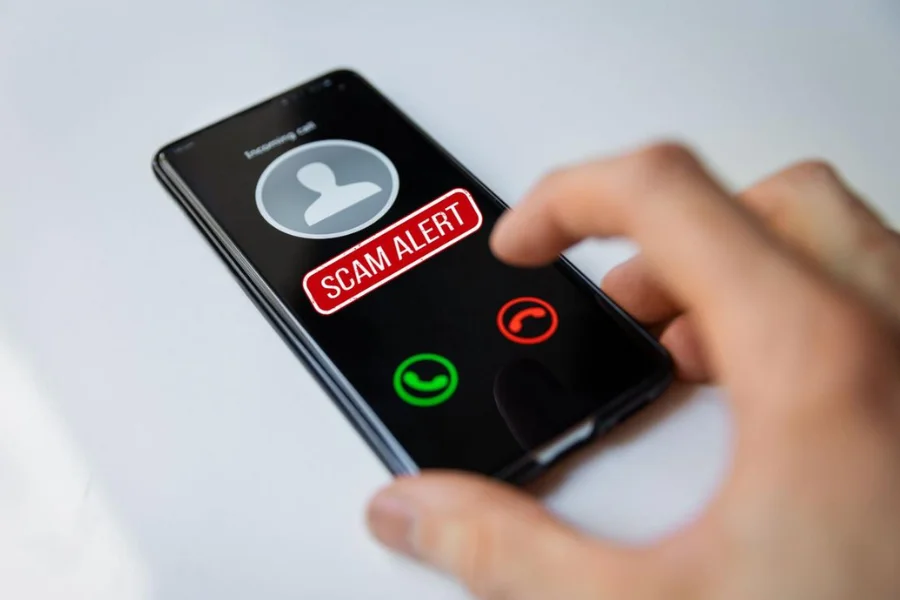
Your phone rings or buzzes, and the number 5134577234 appears on the screen. There’s no name attached and no obvious clue about who’s calling. Moments like this instantly create uncertainty. You may feel curious, uneasy, or even slightly anxious, especially if the call happens more than once or at an odd time of day. With phone scams becoming more common, it’s natural to pause before responding.
Unknown calls now carry more weight than they used to. Years ago, people answered first and asked questions later. Today, answering the wrong call can expose you to scams, data collection, or ongoing spam. That’s why many people search phone numbers like 5134577234 before deciding what to do next.
This article breaks down why this number gets searched, what is actually known about it, how scam systems work, and how you can protect yourself without overreacting. The goal is not to scare you, but to help you make calm, informed decisions when your phone rings.
Why People Search for 5134577234
People usually search a phone number because something about the call felt uncertain. The most common trigger is a missed call from an unfamiliar number. You didn’t answer, and now you’re left wondering whether the call mattered or not. That unanswered question alone is enough to push many people to look the number up.
Another strong reason is fear of scams. Phone scams have grown more sophisticated over the past few years. According to reports referenced by Google and the FTC, scammers increasingly use local-looking numbers to appear trustworthy. When a number like 5134577234 shows a familiar area code, it feels more believable, which makes people uneasy instead of instantly dismissing the call.
Curiosity also plays a role. You might worry the call was related to work, a medical office, a delivery issue, or an account you use. Ignoring the call feels risky, but calling back without information also feels unsafe. That tension pushes people to search for answers first.
In many cases, the search is about regaining control. Looking up the number gives you time to think instead of reacting emotionally. That pause is often what prevents people from falling into common phone traps.
What We Know About the Phone Number 5134577234
The most reliable information about 5134577234 comes from basic phone number data. The 513 area code is assigned to Ohio, primarily serving the Cincinnati region and surrounding areas. This means the number appears to originate from that geographic location, but it does not confirm where the caller is actually located.
Public phone databases sometimes show whether a number was originally issued as a landline or mobile number. In cases like this, the number is associated with standard phone services rather than premium or international lines. Carrier information, when available, only reflects which provider issued the number at some point in time.
What’s important to understand is what this information cannot tell you. It does not identify the caller. It does not confirm intent. It does not prove legitimacy. Search Engine Journal and Google Developers have repeatedly explained that phone numbers can be reassigned, recycled, or masked through modern calling technology.
A number that looks local and ordinary can still be used for unwanted calls. At the same time, a real person or business may own the number and have no connection to any suspicious activity. This is why raw phone data should be treated as context, not evidence.
Is 5134577234 a Scam or a Legitimate Call?
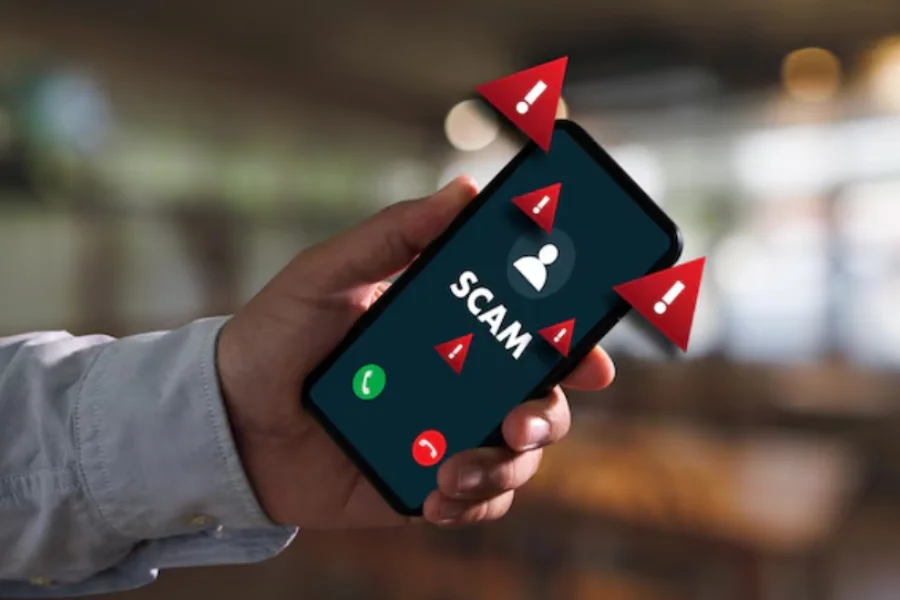
This question matters most, and the answer requires nuance. Some people look for a simple label like “scam” or “safe,” but phone numbers rarely fit neatly into either category. You may find websites showing no reports or low spam activity connected to 5134577234, but that information has limits.
A lack of reports often means the number hasn’t been widely flagged yet. Forbes and Search Engine Journal have both reported that many scam operations rotate phone numbers quickly. A number may be used briefly and abandoned before enough people report it.
Another factor is spoofing. Spoofing allows callers to display a phone number they do not actually own. In these cases, the real owner of the number may have no idea it’s being used. This makes it impossible to judge a call’s safety based on the number alone.
Because of this, safety depends more on behavior than identification. What the caller says, how they speak, and what they ask for are far more reliable indicators than any database listing. Treating unknown calls cautiously, regardless of how “normal” the number looks, is the safest approach.
Why Even Real Phone Numbers Can Be Used by Scammers
Caller ID spoofing is one of the main reasons phone number checks can be misleading. Spoofing works by manipulating the information shown on your phone screen. The caller’s real number is hidden, and a different number is displayed instead.
Google Developers explain that traditional phone systems were not designed to verify caller identity. They trust the data being sent. Scammers exploit this weakness by making their calls appear local or familiar. This increases the chance that someone will answer.
Because of spoofing, innocent people sometimes receive angry callbacks for calls they never made. Their number was copied and used without permission. This also explains why scam calls seem to come from constantly changing numbers.
Understanding spoofing helps reframe the issue. It’s not about memorizing safe numbers. It’s about recognizing unsafe interactions. When you focus on behavior instead of appearance, you reduce your risk significantly.
Common Reasons You Might Get a Call From This Number
There are several realistic reasons why 5134577234 might appear on your phone. One possibility is telemarketing. Many sales operations still rely on phone calls, and they often use local numbers to avoid being ignored.
Another possibility is an automated call. Robocalls are used for appointment reminders, surveys, school alerts, and service notifications. Not all automated calls are harmful, even though they can be annoying.
Wrong numbers are also common. Phone numbers are frequently recycled. Calls intended for a previous owner may continue for months or even years after reassignment.
Scam attempts are another possibility. These calls often test whether you answer before escalating into scripted messages or follow-up calls. The first call may seem harmless or silent.
Because multiple explanations exist, assuming either danger or safety too quickly can lead to poor decisions. Staying neutral until more information is available is the most balanced approach.
Warning Signs That a Call Is Not Safe
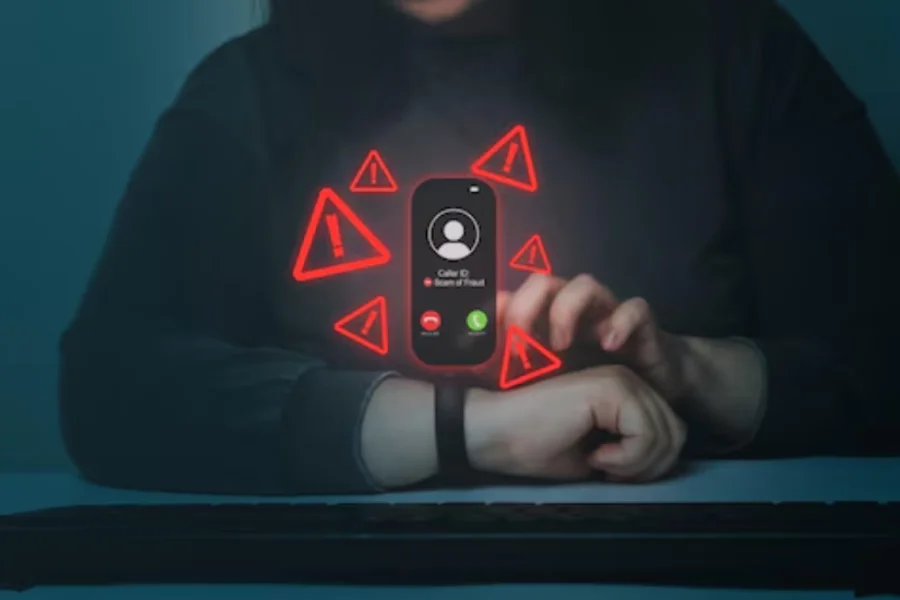
Unsafe calls tend to share behavioral patterns. One of the most common is urgency. The caller may claim immediate action is required to avoid penalties or loss.
Another warning sign is requests for personal information. Legitimate organizations do not ask for passwords, full account numbers, or payment details during unsolicited calls.
Threats are also common. These may involve legal action, account suspension, or financial consequences. Fear is used to override rational thinking.
Robotic voices, vague answers, and refusal to provide verifiable details are additional red flags. Calls that repeatedly ring without leaving a voicemail are also suspicious.
According to the FTC and HubSpot, emotional manipulation is the strongest indicator of scam activity. When a call tries to rush or scare you, that’s when you should disengage.
What to Do If 5134577234 Calls You
When you receive a call from 5134577234, the safest response is to slow things down and avoid reacting on impulse. Letting unknown calls go to voicemail is one of the most effective protections you have. Legitimate callers usually leave a clear message explaining who they are and why they’re calling. Scammers often do not, because voicemail removes their ability to pressure you in real time.
Calling back immediately is rarely a good idea. When you return a missed call, you may confirm that your number is active and monitored by a real person. According to consumer protection guidance referenced by the FTC and Search Engine Journal, this simple action can lead to increased spam and scam attempts in the future. Some systems even flag numbers that return calls as high-value targets.
If the number keeps calling without leaving any voicemail or providing context, blocking it becomes a reasonable step. Repeated silent calls are a common tactic used to provoke curiosity or anxiety. If a caller requests personal information, financial details, verification codes, or payments of any kind, reporting the call is important. Reporting helps carriers and regulators identify harmful patterns and protect others.
When a caller claims to represent a bank, government agency, or company you recognize, end the call politely. Then contact that organization directly using the phone number listed on their official website or on your account statements. This removes the caller’s control over the situation and puts verification back in your hands.
If the Call Claims to Be “Important” or Urgent
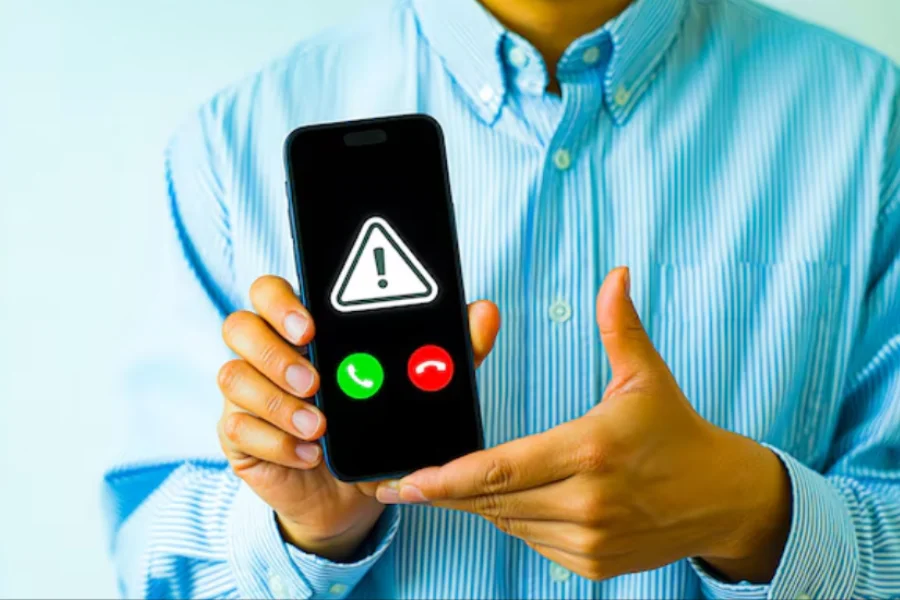
Urgency is one of the most effective tools used in phone scams. When a caller insists that something is “important” or demands immediate action, it is usually designed to prevent you from thinking clearly. Scammers rely on fear, confusion, and time pressure to push people into making mistakes they would not make otherwise.
Real organizations understand that customers need time to verify information. Banks, utility companies, and government offices do not punish people for asking questions or calling back later through official channels. If a caller resists verification or becomes aggressive when you ask for proof, that behavior alone is a warning sign.
One of the most important safety rules is never trusting callback numbers provided during an unsolicited call. Scammers often supply fake support numbers that route straight back to them or to another part of the same operation. Instead, take control by finding contact details independently. Use the official website, your banking app, or paperwork you already trust.
If the matter is truly important, it will still be important after you take time to confirm it safely. Deadlines created during unsolicited calls are almost always artificial. Giving yourself space to verify protects you from emotional manipulation and prevents costly mistakes.
How to Reduce Spam and Scam Calls Going Forward
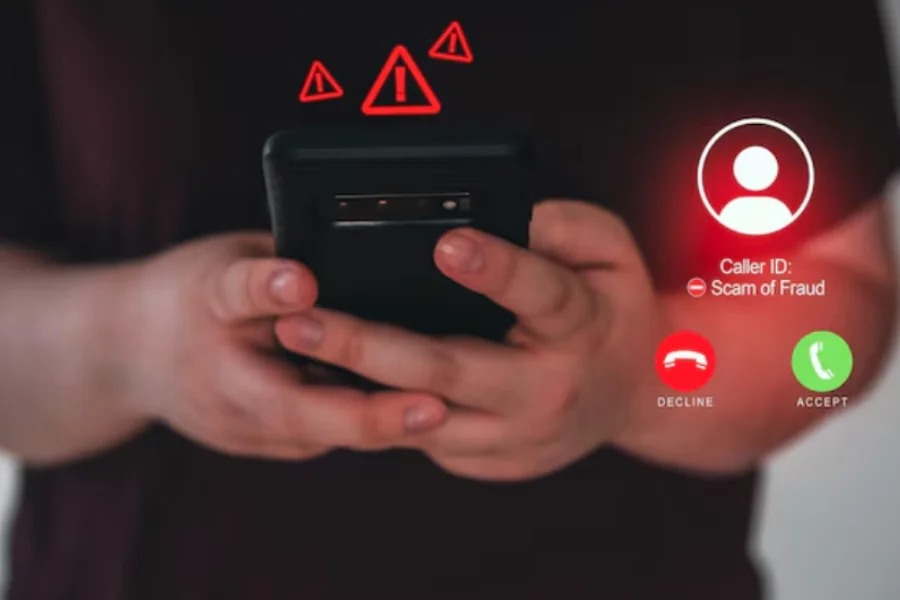
Reducing spam and scam calls requires building habits that limit how much access unknown callers have to you. One of the simplest steps is enabling the built-in spam protection tools on your phone. Both Android and iOS have expanded their call-screening and spam-detection features since 2023, using reported data and behavioral signals to filter suspicious calls before they reach you.
Call-blocking apps can add another layer of protection, but they should be used with realistic expectations. No app can stop every unwanted call, especially when scammers constantly change numbers or use spoofing. Be cautious of apps that promise complete protection, as overpromising is often a red flag.
The Do Not Call Registry can reduce legitimate telemarketing calls, but it does not stop illegal scam operations. Understanding this limitation prevents frustration and helps you focus on strategies that actually work. Scammers ignore registries because they already operate outside the law.
One of the most effective long-term habits is limiting engagement with unknown calls. Answering, pressing buttons, or calling back signals that your number is active and responsive. Over time, this can increase how often you’re targeted. By consistently letting unknown calls go unanswered unless verified, you reduce your exposure and make your number less attractive to automated systems.
Also read: 610-373-3759 233b
Final Words
A call from 5134577234 does not automatically mean something bad is happening. It simply means you don’t have enough information yet. Pausing instead of reacting gives you space to think clearly and make safe decisions.
Phone scams thrive on urgency and uncertainty. When you slow the process down, you take away their advantage. Staying informed, verifying independently, and trusting your instincts creates a strong defense without needing constant worry.
Thanks for reading on The Manga Buddy, where curiosity meets clear, honest answers.