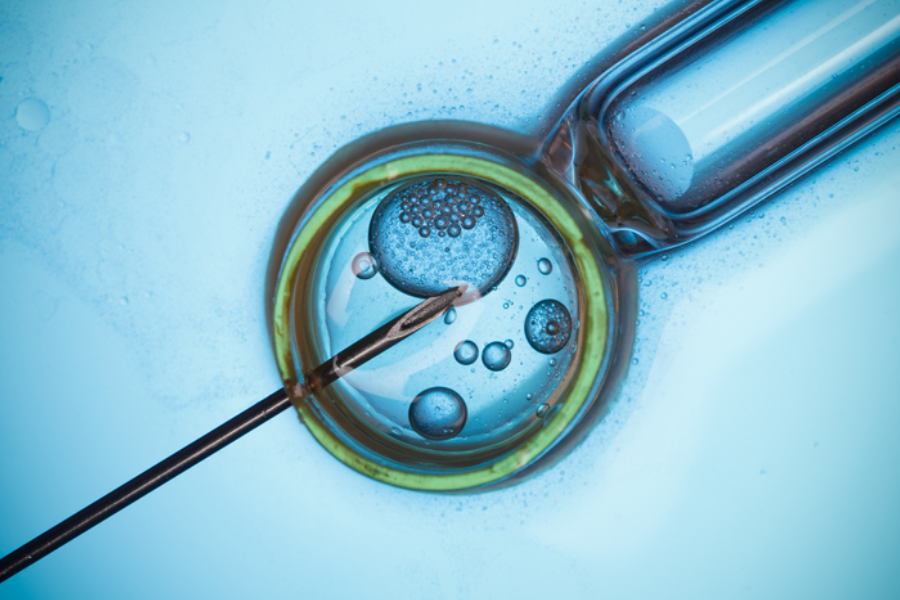
What began as an experimental breakthrough in the late 1970s has now become one of the most trusted and refined fertility treatments in the world — In Vitro Fertilization (IVF). Over the decades, IVF has shifted from manual procedures and generalized hormone therapies to precision-based, data-driven medicine. Today’s focus lies on improving embryo quality, minimizing multiple pregnancies, and achieving higher implantation success rates through advanced technologies.
Time-Lapse Embryo Imaging: Continuous Insight Without Disturbance
One of the most significant innovations in IVF laboratories is time-lapse embryo imaging. This technique allows embryologists to continuously observe embryo development without removing them from their stable incubator environment. Thousands of micro-images are captured throughout the growth period, revealing minute developmental milestones that were previously undetectable.
By analyzing these sequences, embryologists can identify the healthiest embryos with the highest potential for implantation. Time-lapse systems reduce the risks of environmental disruption and bring science closer to precision embryo selection. Studies indicate that this non-invasive monitoring has improved pregnancy outcomes by enhancing the understanding of embryo viability.
Artificial Intelligence in Embryo Selection
Artificial intelligence (AI) has emerged as a transformative force in IVF. AI-powered embryo selection combines deep learning algorithms with morphological and developmental data to predict which embryos are most likely to lead to successful pregnancies.
Key Benefits of AI Integration:
- Enhanced precision in embryo grading and selection
- Reduced number of unsuccessful IVF cycles
- Shorter time to achieve pregnancy
By coupling AI analytics with imaging systems, fertility clinics can personalize treatment strategies for each patient, improving both efficiency and emotional outcomes for couples.
Preimplantation Genetic Testing (PGT): Ensuring Healthy Beginnings
Preimplantation Genetic Testing (PGT) has become a cornerstone of modern IVF practice. It allows embryologists to detect chromosomal abnormalities and genetic disorders before implantation, ensuring that only healthy embryos are selected.
This technology is particularly valuable for couples with a known history of inherited conditions or recurrent pregnancy loss. During PGT, a few cells are carefully biopsied from an embryo on the fifth day of development and analyzed through advanced genetic sequencing. The result: higher success rates, fewer miscarriages, and healthier pregnancies overall.
Cryopreservation and Vitrification: Preserving Life with Precision
The evolution of vitrification, a cutting-edge cryopreservation technique, has revolutionized embryo storage. Unlike older slow-freezing methods that risked ice crystal formation, vitrification rapidly freezes embryos, maintaining their structural integrity and developmental potential.
This allows couples to preserve embryos for future use without compromising success rates. Cryopreservation also provides flexibility in treatment timelines, enabling transfer during optimal physiological conditions. For patients undergoing multiple cycles or postponing pregnancy for medical or personal reasons, vitrification offers both convenience and confidence.
Personalized Ovarian Stimulation: Tailored for Every Patient
Gone are the days of one-size-fits-all fertility treatment. The rise of personalized ovarian stimulation protocols ensures that every woman receives hormonal therapy aligned with her biological profile. Factors such as age, ovarian reserve, and hormone levels guide physicians in determining the ideal dosage and protocol.
This tailored approach increases the number of quality eggs retrieved while minimizing side effects and reducing the risk of Ovarian Hyperstimulation Syndrome (OHSS). It also boosts efficiency, comfort, and the likelihood of a successful outcome.
Non-Invasive Embryo Testing: A Gentle Approach to Genetic Analysis
Traditional embryo biopsy remains highly accurate but involves minimal interference with the embryo. However, researchers are now developing non-invasive embryo testing (NIET) — a promising alternative that examines DNA fragments released naturally by embryos into their culture medium.
By analyzing this free DNA, clinicians can assess genetic health without touching the embryo itself. Early results suggest comparable accuracy to traditional methods, marking a potential paradigm shift toward safer, faster, and more patient-friendly IVF diagnostics.
Mumbai: A Growing Hub for Advanced IVF Treatment
Mumbai has emerged as one of India’s most progressive centers for reproductive medicine. The city’s combination of advanced laboratories, skilled fertility specialists, and evidence-based protocols makes it a preferred destination for IVF care.
Leading clinics in Mumbai are integrating AI, genetic testing, and cutting-edge cryopreservation technologies into their treatment models. The result is a patient experience that blends global standards of technology with personalized care — enhancing both comfort and success rates.
The Future of Fertility: Technology Meets Compassion
The next wave of IVF innovation is set to bring even greater precision and accessibility. Automation, AI-driven diagnostics, and genetic engineering are paving the way for smarter, faster, and more effective fertility care. As digital health platforms evolve, patients can expect more transparency, real-time monitoring, and customized treatment journeys.
Ultimately, the integration of science and empathy continues to redefine fertility medicine — turning hope into life through innovation, intelligence, and human connection.