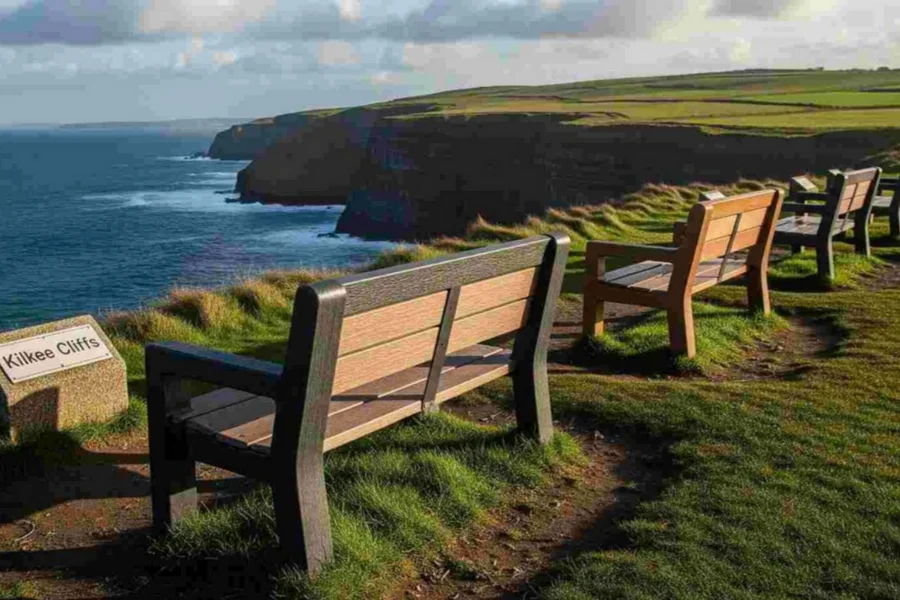
Nestled along Ireland’s stunning Wild Atlantic Way, the town of Kilkee has taken a meaningful step toward sustainability with its recent initiative, “Kilkee benches replaced plastic.” This local movement represents more than a simple infrastructure update—it’s a statement of environmental responsibility and community pride. By replacing traditional plastic benches with eco-friendly alternatives, Kilkee is setting an example of how small towns can lead global change through thoughtful, sustainable action.
The decision reflects a growing awareness of the impact everyday materials have on coastal ecosystems, tourism, and community well-being. Kilkee’s residents and local authorities alike recognized that sustainability isn’t just a global agenda—it begins at home. This article delves into how and why Kilkee replaced plastic benches, exploring the motivations, challenges, and lasting environmental benefits behind this transformation, while highlighting how one coastal community is redefining what it means to live in harmony with nature.
Understanding the Meaning of Kilkee Benches Replaced Plastic
The phrase kilkee benches replaced plastic refers to a remarkable local effort that took place in the charming coastal town of Kilkee in Ireland. This project symbolized much more than simply updating public seating. It represented a growing awareness of the need to care for the planet and reduce dependence on materials that harm the environment. In a world struggling with plastic waste, Kilkee became an example of how even small communities can lead by taking meaningful steps toward sustainability. The initiative served as a reminder that change often begins with a single decision and that environmental protection can be achieved through collaboration and thoughtful planning.
Kilkee’s residents and local authorities recognized that the old plastic benches, once considered practical, had turned into a reflection of outdated habits. Replacing them with sustainable alternatives signaled the town’s commitment to both its people and its natural surroundings. The movement not only improved the appearance of Kilkee’s public spaces but also inspired similar eco-conscious projects throughout Ireland and beyond. It demonstrated that progress does not always require massive infrastructure investments but can thrive in simple acts rooted in environmental responsibility.
The Environmental Significance Behind the Initiative

When the topic kilkee benches replaced plastic first appeared in public discussions, it quickly attracted attention for its environmental value. Plastic is known for its durability, but that same feature makes it nearly impossible to decompose, often resulting in pollution that lingers for centuries. Coastal towns like Kilkee are particularly vulnerable since discarded plastics can find their way into the ocean, endangering marine life and altering delicate ecosystems. By replacing plastic benches with sustainable materials, the community directly reduced the potential for microplastics to enter surrounding waters and soils. This action illustrated a deep understanding of how small local efforts can contribute to the global fight against plastic pollution.
Beyond the physical change, the decision carried educational weight. Residents and visitors alike began to reflect on how everyday choices affect the planet. The sight of eco-friendly benches served as a constant reminder that environmental preservation begins with mindful consumption. This awareness has long-term benefits, fostering a sense of pride among citizens and promoting a collective commitment to greener living. Kilkee’s actions highlighted the principle that sustainability is not a one-time event but a continuous journey of improvement.
Community Involvement and Local Decision Making
The strength of the kilkee benches replaced plastic project lay in the unity of its people. It was not a decision made by a distant authority but a collaboration among residents, local organizations, and environmental advocates who shared a vision for a cleaner and more sustainable town. Public meetings were held to discuss the need for change, and open discussions allowed citizens to express their opinions. This transparency helped build trust between the community and the local council, turning the project into a shared mission rather than an imposed policy. The involvement of diverse groups ensured that the initiative reflected collective values instead of individual agendas.
Volunteers contributed to raising awareness, organizing cleanup drives, and assisting with the installation of new benches. Schools also played a role by introducing environmental education programs that used the bench replacement as a real-life example of sustainability in action. This participation strengthened community bonds and gave residents a sense of ownership over their surroundings. The result was not only new benches but also a stronger, more engaged population that continues to advocate for environmental responsibility. Kilkee’s story proves that when communities unite for a common purpose, even small towns can make a global statement.
Comparing Plastic and Sustainable Materials Used in Kilkee
When considering the replacement of plastic benches, Kilkee’s local council carefully studied various material options to find solutions that balanced durability, cost, and environmental safety. The goal was to choose materials that would last in coastal weather while aligning with eco-friendly standards. This comparison helped decision-makers understand the long-term benefits of investing in sustainability rather than repeating short-term solutions. The table below presents an overview of commonly used materials for public seating and their main characteristics.
| Material Type | Durability | Environmental Impact | Maintenance Needs | Aesthetic Appeal |
|---|---|---|---|---|
| Plastic | Moderate | High | Moderate to high over time | Modern but fades quickly |
| Recycled Wood Composite | High | Low | Minimal | Natural and blends with surroundings |
| Metal (Steel or Aluminum) | Very High | Moderate | Requires occasional coating | Sleek and long-lasting |
| Sustainable Timber | High | Low | Needs sealing periodically | Warm and traditional |
After evaluation, Kilkee chose a combination of recycled composite and sustainable timber. Both materials not only enhanced the town’s coastal charm but also stood the test of harsh weather. This decision reflected a well-thought-out balance between beauty, durability, and responsibility.
Economic Benefits of Sustainable Infrastructure in Kilkee
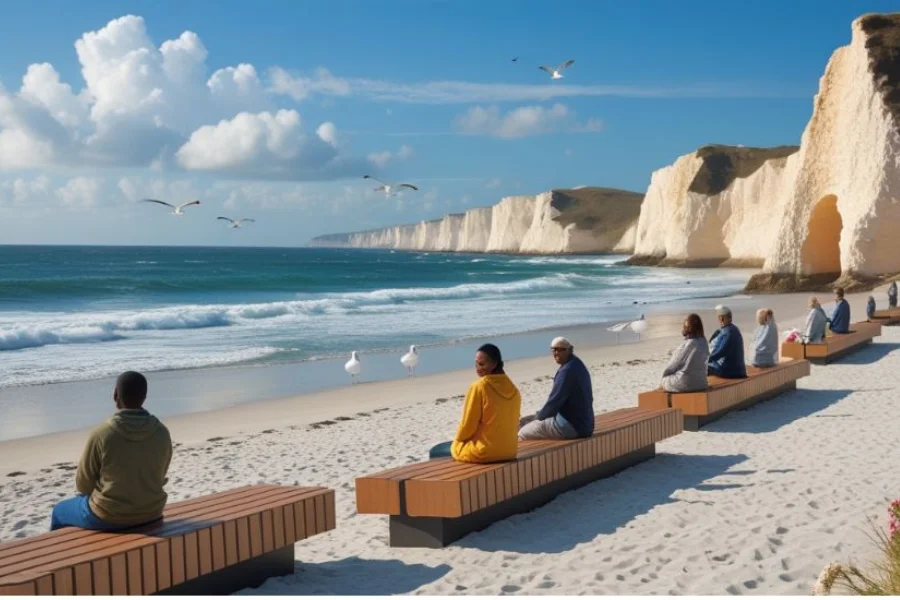
The kilkee benches replaced plastic initiative did not only benefit the environment but also boosted the town’s economy in subtle but meaningful ways. As an area heavily dependent on tourism, Kilkee thrives on its scenic image and clean environment. By choosing eco-friendly infrastructure, the town strengthened its reputation as a sustainable travel destination, attracting tourists who value responsible living and environmental care. This increased interest translated into higher local spending in cafés, guesthouses, and shops, indirectly benefiting small businesses.
Furthermore, investing in durable materials reduced long-term maintenance costs. Plastic benches required frequent replacement due to fading and cracking, while sustainable materials offered longevity and lower upkeep. The savings from maintenance could be redirected to other community projects, creating a cycle of improvement. The initiative demonstrated that environmentally conscious decisions can also be economically smart. Kilkee’s experience offers valuable insight for other communities considering similar sustainability transitions, showing that green investments can yield both ecological and financial returns.
Tourism Influence and Environmental Appeal in Kilkee
Tourism has always played an essential role in the life of Kilkee and the initiative kilkee benches replaced plastic has added a new layer of attraction for visitors who appreciate sustainable destinations. Tourists are increasingly conscious of the environmental impact of their travels and many seek places that show genuine commitment to eco-friendly values. When visitors see the new benches made from recycled and natural materials they perceive Kilkee as a responsible and forward-thinking community. The visual harmony between the benches and the coastline complements the natural beauty of the area creating a pleasant and authentic atmosphere that enhances the overall visitor experience.
The initiative also became a storytelling element for local tour guides and businesses. Guides often explain how the town replaced its plastic benches to protect the environment and promote sustainability. This narrative resonates strongly with travelers who value meaningful experiences rather than superficial attractions. By linking environmental responsibility with tourism Kilkee has successfully turned sustainability into a core part of its identity. The benches serve as both functional seating and powerful symbols of eco-conscious hospitality that leave a lasting impression on anyone who visits the town.
Social Reactions and Community Emotions Toward the Change
When the project kilkee benches replaced plastic was first introduced the community experienced mixed emotions. Some residents were nostalgic about the old benches that had been part of Kilkee’s scenery for many years while others welcomed the change as a necessary step forward. Over time as people witnessed the results and understood the purpose behind the initiative acceptance grew stronger. The new benches quickly became a point of pride symbolizing local unity and environmental awareness. Many residents expressed appreciation for how the project balanced respect for tradition with progress toward sustainability.
Public discussions about the benches also deepened awareness of environmental issues. Conversations that began with seating eventually evolved into broader talks about recycling renewable energy and sustainable development. The emotional connection people felt toward the benches turned into motivation for additional community projects such as beach cleanups and tree planting campaigns. The project showed that real transformation does not depend only on new materials but on changing mindsets. Kilkee’s experience proved that when people are emotionally invested in sustainability it creates a sense of responsibility that extends far beyond a single initiative.
Educational Impact and Youth Involvement in Sustainability
One of the most inspiring outcomes of the kilkee benches replaced plastic initiative was the involvement of young people. Local schools saw the project as an opportunity to teach students about sustainability through real-life experience. Teachers developed lessons about waste reduction and recycling using the bench replacement as a practical example. Students learned how environmental decisions can influence communities and why small actions matter in protecting nature. These lessons went beyond textbooks giving children a tangible understanding of their role in shaping a sustainable future.
Youth organizations also participated in awareness drives helping to promote eco-conscious habits among residents. They organized events such as coastal cleanups art exhibitions using recycled materials and informational campaigns about the benefits of reducing plastic waste. These experiences gave the younger generation a sense of responsibility and empowerment. Kilkee’s approach ensured that environmental awareness became part of the community’s culture rather than a temporary campaign. By involving children and teenagers the town laid the foundation for long-term behavioral change ensuring that future generations will continue to value and protect their natural surroundings.
Challenges Faced During Implementation of the Project
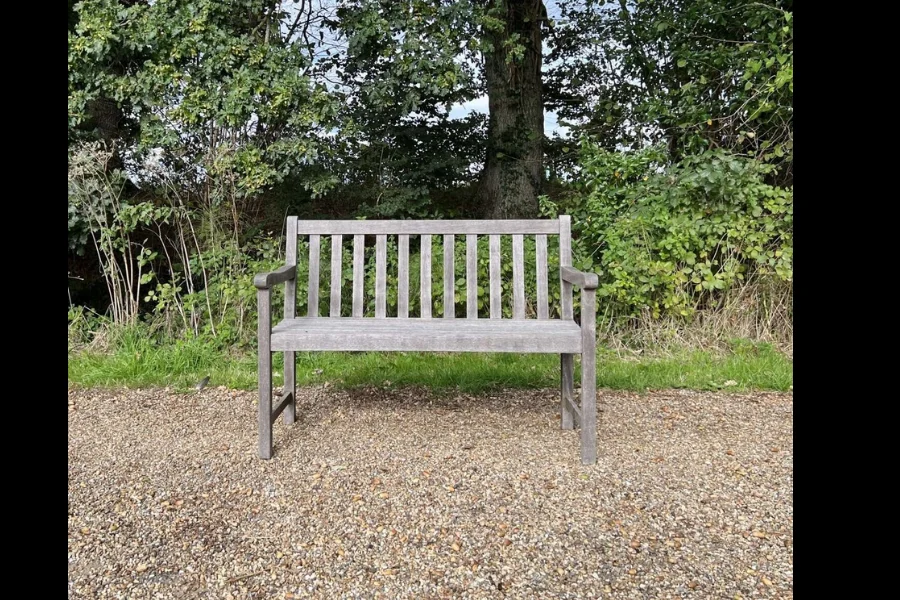
Although the outcome of kilkee benches replaced plastic was successful the journey was not without obstacles. One of the main challenges was the higher initial cost of sustainable materials compared to conventional plastic. While plastic appeared cheaper in the short term its long-term maintenance and replacement costs proved more expensive. The local council had to find a way to fund the transition without burdening taxpayers. Support from environmental organizations and small fundraising efforts helped close the gap making the project financially feasible.
Another challenge was finding suppliers who could provide weather-resistant materials suitable for coastal conditions. The salty air and constant moisture required benches that could endure harsh environments while still maintaining their appearance. Once the right materials were identified the installation process required careful coordination to minimize disruption to public areas. Despite these hurdles Kilkee’s determination and collaboration among residents ensured success. The challenges faced became valuable learning experiences that strengthened community planning skills and improved future sustainability initiatives.
The Global Message Behind Local Environmental Change
The meaning of kilkee benches replaced plastic extends beyond the boundaries of the town itself. It sends a message to communities around the world that local action can have global impact. Environmental change often feels overwhelming but Kilkee’s story shows that meaningful transformation can start with something as simple as replacing benches. The symbolism of this project has encouraged other municipalities to reassess their use of plastic in public infrastructure and consider more sustainable alternatives.
Kilkee’s example aligns with the principles of global sustainability frameworks including the United Nations Sustainable Development Goals. By reducing plastic use the town contributes to cleaner oceans and healthier ecosystems. This connection between local efforts and international objectives demonstrates how communities play an active role in achieving global progress. The success of the initiative has inspired journalists and environmental advocates to highlight Kilkee as a case study for effective small-scale sustainability. Through consistent effort and community involvement the town proved that every positive step no matter how small adds up to global environmental improvement.
Role of Local Governance and Policy Support
Strong local leadership played an essential role in the success of kilkee benches replaced plastic. The local council recognized early on that environmental initiatives require both vision and structure. They established clear goals for the project including material selection budgeting and community involvement. By maintaining open communication with residents and organizations the council built trust and ensured transparency throughout the process. This governance model emphasized cooperation rather than authority making citizens active partners in decision making.
Policy adjustments also supported the project’s implementation. Regulations encouraging sustainable procurement and waste reduction were introduced to ensure future public works align with the same values. These policies created consistency between community ideals and government action. The collaboration between policymakers and citizens became a model of effective environmental governance. It demonstrated that when local authorities lead by example they not only gain public support but also lay the groundwork for long-lasting environmental responsibility. Kilkee’s leadership showed that successful sustainability projects are built on accountability cooperation and shared purpose.
Cultural Identity and Environmental Storytelling
The kilkee benches replaced plastic project became more than an environmental act it evolved into a story that reflects Kilkee’s identity. The benches are not just places to rest they are reminders of a community’s shared commitment to care for its environment. Artists and writers in the region began referencing the project in their work portraying it as a symbol of harmony between people and nature. This cultural recognition gave the initiative emotional depth making it part of the town’s collective memory.
Environmental storytelling plays a crucial role in how communities connect with sustainability. When people can relate to a cause through familiar symbols like benches it strengthens personal responsibility. Kilkee’s project showed how practical actions can transform into cultural values that endure. The community’s ability to weave sustainability into its narrative ensures that environmental awareness will remain an integral part of local identity for generations to come.
The Lasting Impact and Global Inspiration
Today the phrase kilkee benches replaced plastic represents a long-term success story that continues to inspire others. Visitors from around the world still comment on how the town’s decision demonstrates leadership and care for nature. The new benches stand as a visible reminder that conscious choices lead to lasting impact. Beyond aesthetics they symbolize a new mindset where every community sees itself as a guardian of the planet.
The ripple effect of Kilkee’s action can be seen in neighboring towns that have launched similar projects after observing the benefits. Environmental groups use Kilkee as an example in workshops and seminars to encourage other small communities to adopt sustainable habits. The initiative taught a valuable lesson that local changes can contribute to global solutions when guided by vision and cooperation. Kilkee’s story will remain a shining example of how humanity’s relationship with nature can be restored through simple purposeful acts of care and collective responsibility.
Future Sustainability Vision for Kilkee
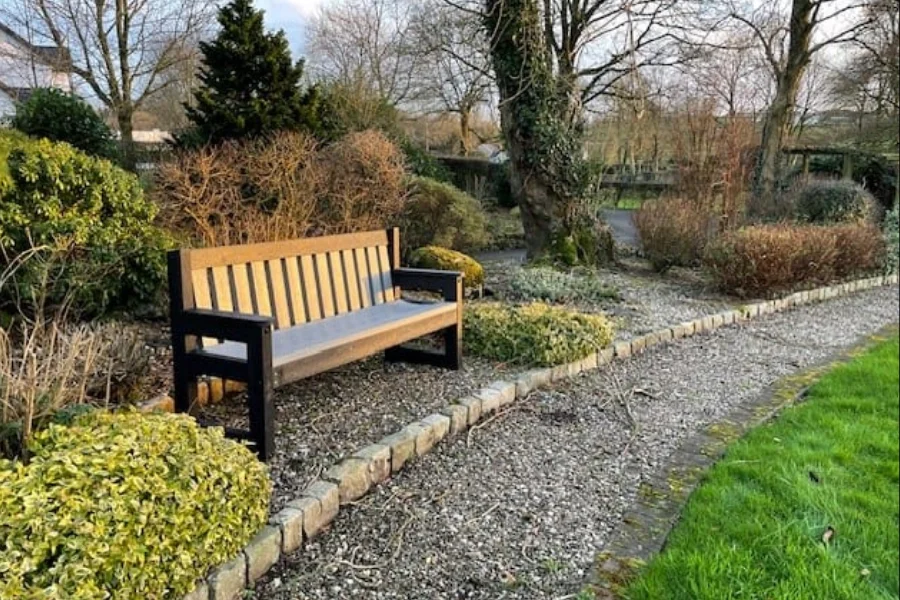
After completing the kilkee benches replaced plastic initiative the town began developing a broader vision for sustainability. Replacing benches was seen as a starting point rather than an endpoint. The experience encouraged Kilkee to explore other ways to enhance its environmental resilience. Plans emerged for improved waste management systems renewable energy adoption and eco-friendly tourism programs. Local businesses have also started integrating sustainable practices into their operations by reducing single-use plastics and supporting community recycling drives.
The town’s future vision includes continued investment in public education about sustainability. Efforts are being made to involve residents in long-term planning to maintain momentum and ensure lasting results. Kilkee aims to become a model for small towns worldwide by demonstrating that economic development and environmental protection can coexist. The legacy of the bench project continues to inspire both policy and culture making sustainability not just a local initiative but a core part of Kilkee’s identity and future growth.
Final Words
The initiative known as kilkee benches replaced plastic marks a defining moment in the Irish coastal town’s journey toward sustainability. By replacing traditional plastic benches with eco-friendly alternatives, Kilkee has demonstrated how small communities can make a global impact through local action. This movement reflects environmental awareness, economic foresight, and cultural pride, proving that progress does not always require large-scale changes but thoughtful community-driven decisions. The project improved public spaces, strengthened tourism appeal, and inspired neighboring regions to follow similar sustainable paths. Beyond aesthetics, these new benches symbolize Kilkee’s dedication to protecting its coastline, promoting green materials, and educating residents about responsible living. The town’s approach highlights how collaboration between citizens and local authorities can create lasting change. Today, the phrase kilkee benches replaced plastic represents both a successful environmental project and a hopeful reminder that real transformation begins with simple, purposeful actions rooted in care for the planet.
For More Relative Information Visit The Manga buddy.