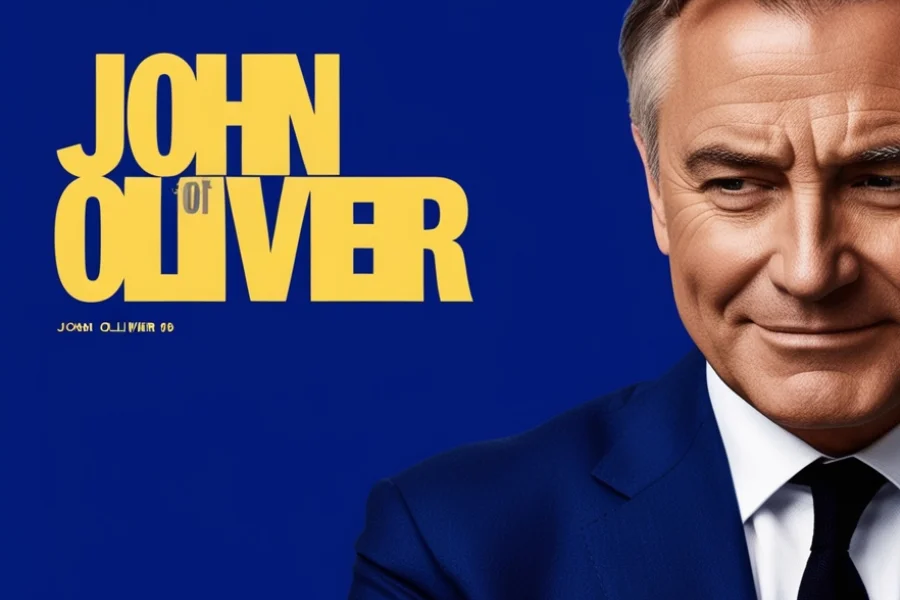
The internet has a knack for making even the weirdest ideas go viral, and “Johnoliverwantsyourratrotica com” is a perfect example. At first glance, the phrase is bizarre. It combines the name of a well-known comedian, John Oliver, with a strange mashup word—Ratrotica—that immediately sparks curiosity. People naturally pause and ask, “What is this? Why does this exist?” In online culture, this pause is valuable. It’s the exact moment creators aim for when designing viral content.
Humor, absurdity, and satire shape much of modern internet content. They give the audience an unexpected twist, a surprise element that keeps them engaged. A phrase like this doesn’t need to make literal sense to succeed; it works because it provokes curiosity, laughter, or even shock. What seems nonsensical at first can quickly become a cultural talking point, shared across social media, memes, and forums.
In this article, you’ll learn how this phrase reflects broader trends in internet culture. You’ll see why absurd domains grab attention, how satire drives virality, and what digital literacy lessons this phenomenon teaches. Whether you’re here out of curiosity, academic interest, or just for a laugh, this breakdown will help you understand the mechanics behind the humor and why millions of people engage with such content.
Understanding the Phrase “John Oliver Wants Your Ratrotica”
When you first read “John Oliver Wants Your Ratrotica”, it feels like a joke and a puzzle rolled into one. Breaking it down helps us understand why it exists. The phrase combines a recognizable public figure with a seemingly absurd concept. John Oliver is famous for his sharp satire on his show Last Week Tonight, and his name instantly signals humor and cultural awareness. Ratrotica, on the other hand, is a made-up word that merges “rats” with a concept reminiscent of art or romance—deliberately absurd. Together, the phrase grabs attention because it is both familiar and bizarre at the same time.
Domains like this also use a “.com” ending to look like a legitimate website. This formatting adds a layer of curiosity, making the content appear official even when it is purely satirical. The combination of celebrity reference, absurd phrasing, and recognizable web formatting is a classic formula in meme culture.
It’s essential to note that this phrase should not be interpreted literally. John Oliver is not requesting anything from the audience, and no official endorsement exists. This kind of humor is common online: people remix names, ideas, and concepts purely for entertainment or social commentary. The goal is cultural engagement, not actual instruction.
Takeaway: By understanding the structure, you see that Ratrotica is a playful experiment in combining familiarity with absurdity—designed to entertain, not mislead.
Origins of the Ratrotica Meme
The Ratrotica meme began with a segment on Last Week Tonight where John Oliver encouraged viewers to create and share ridiculous artwork as part of a humorous challenge. While it started as a joke, internet users quickly embraced it, transforming a small segment into a full-blown meme phenomenon. Early fans created playful drawings, stories, and videos featuring rats in absurd romantic or artistic scenarios.
What helped Ratrotica spread was the community’s enthusiasm. Social media amplified the trend, with users sharing submissions across platforms like Twitter, Reddit, and TikTok. The combination of celebrity reference, humor, and absurdity created a perfect storm for virality.
This trend also demonstrates how internet culture thrives on remixing and exaggeration. Ratrotica evolved beyond the original segment, inspiring fan-made variations and jokes. It became less about the source and more about creative participation. Early adopters understood the joke, and the participatory nature encouraged wider adoption.
Why Absurd Humor Works Online
Absurd humor works because it surprises us. Humans are wired to notice anomalies—unexpected phrases or ideas grab attention faster than familiar ones. A bizarre phrase like Ratrotica forces a double take, sparking curiosity, laughter, and discussion. Online, where attention is fleeting, this split-second surprise can be the difference between going viral and being ignored.
The psychology behind absurdity explains why people remember strange words or concepts. Memory retention improves when content is unusual or exaggerated. That’s why combining a well-known figure with a ridiculous idea creates a sticky, shareable phrase. Users feel compelled to explore, discuss, or create derivative content.
Other examples of absurd humor include memes like Pizza Rat or domains like IHateSandwiches.com. The effectiveness lies in contrast—familiar elements are paired with the ridiculous, producing cognitive dissonance that is simultaneously entertaining. Humor in this context isn’t subtle; it’s loud, exaggerated, and meant to provoke a reaction.
Internet Humor and Absurd Domains

The internet loves the unexpected. Domains and keywords like johnoliverwantsyourratrotica.com stand out because they break conventional patterns of communication. Deliberate absurdity makes users pause, click, and share. This is a deliberate tactic in internet humor: if it’s ordinary, it’s ignored; if it’s unusual, curiosity drives engagement.
Shock value plays a major role. When a domain combines a familiar figure with a bizarre concept, the contrast creates a mental “double take.” Users often remember the content longer, discuss it with friends, and post it on social media, amplifying the reach. Humor, in this context, is not subtle—it’s exaggerated, playful, and designed to stand out in a crowded digital space.
There are countless similar examples: IHateSandwiches.com or CatsInBusinessSuits.com rely on the same principles. The words themselves are funny, memorable, and slightly confusing. This confusion isn’t a bug—it’s the feature. Absurd wording enhances memorability, sparks conversation, and encourages participation. Even if users never visit the website itself, the phrase becomes part of the cultural conversation.
The Role of Satire and Meme Culture
Satire is a key driver behind trends like Ratrotica. By exaggerating reality and combining familiar elements with absurd ideas, online creators make content that is both humorous and socially engaging. Satirical references like using John Oliver’s name work because viewers already associate him with irony, wit, and clever commentary.
Memes amplify this effect. They remix the original idea, adding layers of interpretation, fan art, or parody videos. Fans contribute actively, producing humorous content that keeps the trend alive. In the Ratrotica phenomenon, people have drawn romanticized rats, created humorous stories, and even made parody animations. Participation isn’t optional—it’s part of the virality.
The combination of satire and meme culture turns a strange phrase into a shared experience. Everyone is “in on the joke,” and humor becomes a social glue. Satirical domains and memes also encourage critical thinking: you learn to recognize exaggeration, irony, and playful commentary rather than taking everything at face value.
Role of Social Media Platforms
Social media platforms were crucial to Ratrotica’s spread. Algorithms favor shareable, engaging content, so the unusual, humorous nature of Ratrotica helped it trend organically.
Social media amplifies participation. Fans could post art, memes, or videos, creating a feedback loop: more content led to more engagement, which encouraged even more contributions. Platforms with rapid sharing cycles accelerated virality, turning a small joke into a worldwide trend.
Social media also enabled global participation. People from different countries could enjoy, remix, and contribute to Ratrotica, demonstrating how digital platforms break down geographic boundaries and foster collaborative humor.
Why “.com” and Domain Formatting Matters
Adding “.com” to a strange phrase like Ratrotica does more than make it look like a website—it signals authenticity. Online, we associate URLs with legitimacy. Even if the content is absurd, the formatting creates a mental shortcut: it looks official, which increases curiosity.
The way a domain is structured can also indicate parody or satire. For example, a URL like CatsInBusinessSuits.com or IHateSandwiches.com signals absurd humor because the words themselves are exaggerated while the format is familiar. These sites often exist as joke pages, fan projects, or social commentary.
By combining format and absurdity, creators ensure that users pause and explore. Even short-lived or placeholder sites can generate massive engagement if the domain name itself is funny or shocking. The lesson? Presentation matters just as much as content when it comes to grabbing attention online.
Why This Trend Went Viral

The Ratrotica trend didn’t happen by accident. Virality depends on a combination of factors. First, audience participation: fans were invited to create memes, fan art, and parody content. This made everyone feel part of the joke. Second, social media amplified the trend.
Curiosity-driven clicks also played a role. Humans are naturally inquisitive, especially when presented with a bizarre phrase. We click, we search, we share—sometimes just to understand the joke. Add social amplification to curiosity, and the result is explosive reach.
Finally, humor and creativity fuel longevity. Even after the initial wave of attention, people remember the absurdity and revisit the idea for laughs or inspiration. Trends like this demonstrate how the modern internet favors engagement, participation, and shareable humor over traditional informational content.
Safety and Digital Literacy Considerations
While trends like Ratrotica are fun, not all viral domains are safe. Some may host malware, phishing scams, or misleading content. Always approach strange sites with caution. Avoid entering personal information, downloading unknown files, or clicking suspicious links.
Critical thinking is crucial. Ask yourself: Is this content officially endorsed? Is it meant to entertain, inform, or deceive? Checking sources, looking for HTTPS, and reading online reviews can prevent digital mishaps. Viral trends often prioritize shock and humor over accuracy, so a healthy dose of skepticism is necessary.
Teaching digital literacy is part of understanding trends like Ratrotica. It’s not just about enjoying humor; it’s about recognizing the difference between parody, satire, and potentially harmful content. Fans can engage safely while appreciating absurdity—if they navigate the internet wisely.
Cultural and Social Significance
Beyond laughs, Ratrotica reveals how the internet fosters creativity and shared culture. Absurdity, humor, and satire unite people in playful participation. From memes to fan art, communities bond over inside jokes, building connections across borders.
This trend also shows how digital culture values engagement over literal meaning. The focus is not on accuracy but on creativity, participation, and memorability. People enjoy being part of a community that laughs at the ridiculous and reinterprets culture in real-time.
Finally, Ratrotica highlights the power of humor as a communication tool. It can critique social trends, entertain, and inspire creativity, all while remaining accessible. Understanding this cultural context makes us more media-literate, helping us appreciate content critically rather than passively.
Lessons for Creators and Audiences
The Ratrotica phenomenon teaches creators a few things:
- Bold, absurd ideas can go viral if they mix familiarity and surprise.
- Participation drives engagement; giving your audience a way to contribute amplifies reach.
- Presentation matters; formatting and recognizable cues can enhance curiosity.
Audiences also learn:
- Pause before sharing—understand context and safety.
- Appreciate humor, but distinguish between parody and serious content.
- Engage creatively; memes and satire are meant to be interactive.
These lessons apply beyond Ratrotica. They are valuable for anyone navigating modern internet culture, whether creating content or just exploring online trends.
Also Read: Chandi Heffner
Final Words
The phrase “John Oliver Wants Your Ratrotica” is exactly the kind of thing that makes you stop scrolling and do a double take. It’s strange, funny, and a little bit shocking all at once. On one side, you have John Oliver, the late-night comedian famous for his sharp satire on Last Week Tonight. Just seeing his name immediately signals that this is likely a joke or some kind of playful parody. On the other side, you have “Ratrotica”—a completely made-up word that combines rats with absurdly romantic or artistic ideas. Together, it’s a mashup that’s memorable, ridiculous, and irresistibly curious.
The reason this phrase works so well online is that it blends something familiar with something absurd. Our brains are wired to notice surprises, and pairing a celebrity’s name with a bizarre concept creates the perfect “pause-and-share” moment. Even adding “.com” at the end tricks the mind into thinking it’s an actual website, increasing curiosity. People want to click, search, or talk about it just to figure out what’s going on.
In short, this keyword isn’t meant to be taken literally. It’s a playful piece of internet culture that highlights humor, absurdity, and the way viral ideas spread.
For more related content, check out Manga Buddy.