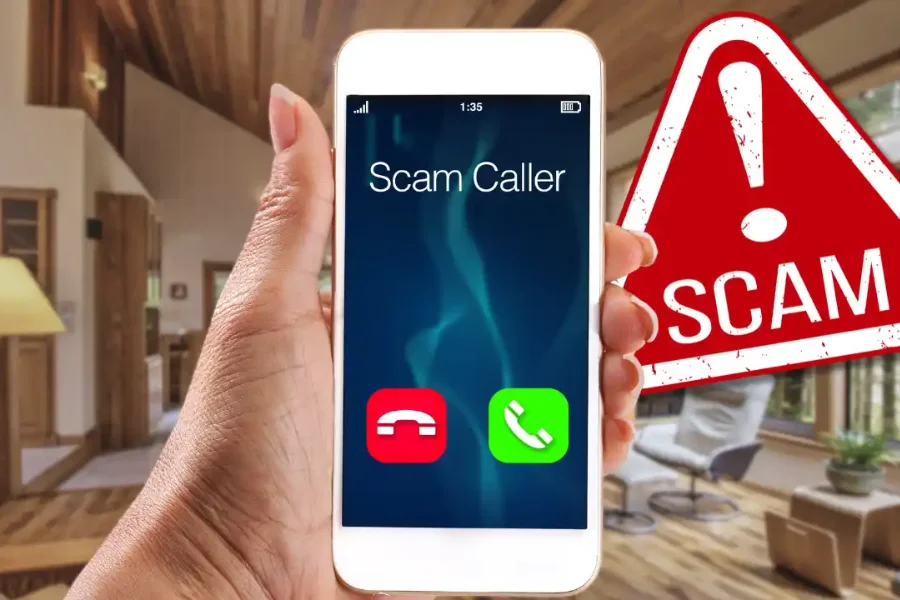
Have you ever received a call from a number you didn’t recognize, like 442045254841, and wondered if it was safe to answer? It’s a common experience these days, with telemarketing, robocalls, and scams on the rise. This number has been reported by many people across the UK and beyond, often leaving recipients confused or uneasy. Some calls are silent, some are automated, and others pressure you to act quickly or give out personal information. That’s why understanding this number—and how to protect yourself—is crucial. In this guide, we’ll explore everything from reported behaviors to practical tips for staying safe, all in clear, human-friendly language.
What Is 442045254841?
The number 442045254841 appears to originate from the United Kingdom, specifically the London area, indicated by its +44 country code. At first glance, this may make it seem like a normal call from a local business or organization. However, modern technology allows scammers to mask their real identity using what’s called “caller ID spoofing.” This means the number displayed on your phone can appear to be from London, even if the call is actually coming from a completely different location, sometimes even overseas. Spoofing makes it much harder to judge the legitimacy of a call simply by looking at the number.
Many users report that the call purpose is often unclear. Some calls disconnect as soon as you answer, while others play automated messages or try to pitch products and services. Because of the lack of transparency and the repeated reports of odd or automated behavior, it’s smart to approach this number cautiously. Letting calls go to voicemail, avoiding giving personal or financial information, and blocking the number if it continues calling are simple yet effective precautions. Understanding where the call appears to come from—and why that might be misleading—helps you take control and avoid falling into a potential scam.
Common Caller Behavior Reported
Calls from 442045254841 often follow patterns reported by multiple users online. One of the most frequent behaviors is receiving silent calls or immediate hang-ups. These calls may seem harmless, but in reality, they’re often automated systems checking which numbers are active. Once a number is confirmed active, scammers or telemarketers can target it for future campaigns. Another common behavior is pre-recorded messages, sometimes claiming to be from banks, insurance companies, or other familiar organizations. These messages often create a sense of urgency, saying something like, “Your account will be closed if you don’t act now,” which can pressure people into responding without thinking.
Additionally, some users report aggressive sales pitches. If you answer, the caller may try to sell products, services, or subscriptions, often repeating the call multiple times. This can feel intrusive and stressful, especially when the call frequency is high. Reports also indicate that some calls attempt to gather personal information, such as names, addresses, or even banking details, which could be used for identity theft or phishing scams. These behaviors are not typical of legitimate businesses, which usually provide clear identification and are transparent about their purpose.
Possible Scams Linked to 442045254841
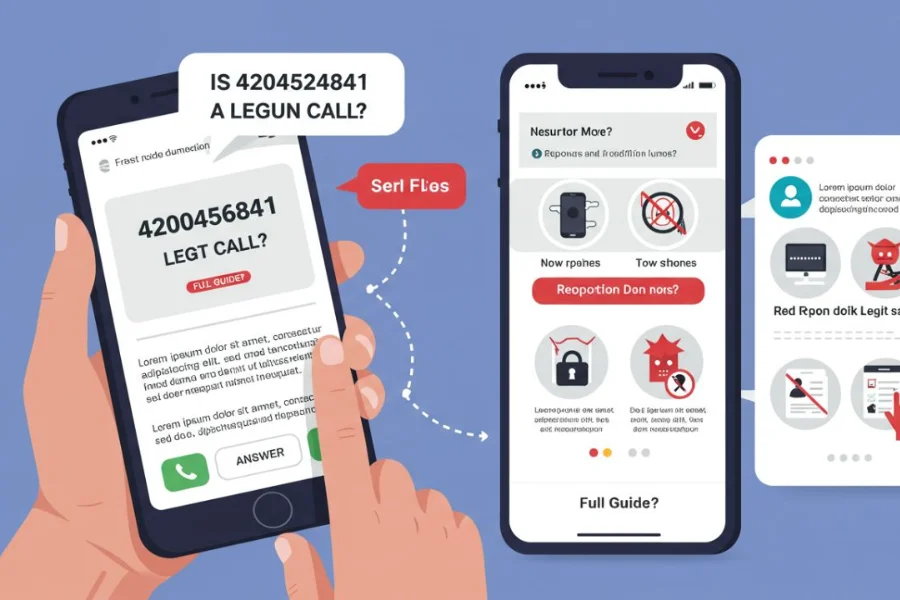
There’s growing evidence that 442045254841 may be connected to scams. One of the most common tactics is phishing, where callers try to trick you into sharing sensitive information such as bank details, passwords, or social security numbers. They often pose as trusted organizations to gain your confidence. Spoofing technology makes these calls look legitimate, which increases the likelihood that unsuspecting people might fall for the trick. Some users also report SMS phishing, where a follow-up text message contains links to fake websites designed to steal personal data. Clicking these links can result in stolen passwords, malware infections, or identity theft.
Another scam involves callback schemes. In these situations, the caller may encourage you to call a different number, often an international line, which can incur high charges. Even if no personal information is shared, returning the call can lead to unexpected costs. Many of these scams rely on fear or urgency to push you into acting quickly.
How to Identify Legitimate Calls
Not every call from an unknown number is a scam, but it’s important to know the difference. Legitimate callers typically introduce themselves clearly, explain their reason for contacting you, and remain patient if you ask questions. They don’t pressure you for sensitive information right away. On the other hand, scammers often rush the conversation, insist on immediate action, or provide vague answers when asked for verification.
A helpful tip is to verify the company online. If a caller claims to be from a known organization, look up the official website and call back using their official number. Avoid trusting caller ID alone—spoofing can make any number appear legitimate. Another key indicator is tone and behavior: real representatives are professional, calm, and transparent, while fraudulent callers tend to be aggressive, vague, or overly urgent.
Steps to Protect Yourself from 442045254841
Protecting yourself is easier than you might think. Let unfamiliar calls go to voicemail; legitimate businesses will leave a clear message. Use call-blocking apps like TrueCaller, Hiya, or RoboKiller to filter suspicious numbers automatically.
You can also take legal precautions. In the UK, registering your number with the Telephone Preference Service (TPS) helps reduce marketing calls. Reporting suspicious numbers to Ofcom or the Information Commissioner’s Office (ICO) helps authorities track scammers and protect the wider community. Finally, keeping a record of suspicious calls—time, number, and behavior—can be helpful if you decide to report the incident later.
Reverse Phone Lookup and Caller ID Tools
Reverse phone lookup tools are essential for identifying unknown numbers like 442045254841. Tools such as TrueCaller, WhoCallsMe, UKPhoneBook, and SpamCalls.net provide information about caller identity, location, and user-reported behaviors. Using these resources allows you to quickly determine whether a number is linked to spam or scams before deciding to answer.
For example, TrueCaller alerts you if a number has been reported as spam hundreds of times. UKPhoneBook can sometimes list legitimate businesses associated with UK numbers, while SpamCalls.net tracks global scam reports. Combining these tools with your instincts ensures a much safer approach to unknown calls.
While no tool is perfect, using multiple sources and cross-referencing reports dramatically improves your ability to identify potential scams. Make checking numbers a habit—it’s a small step that can prevent big problems.
User Experiences and Complaints
Online forums and social media reveal that 442045254841 has been a persistent source of concern. Users report receiving multiple calls in a single day, automated messages, and aggressive sales pitches. Many even share screenshots of conversations and experiences to warn others. Some reports indicate follow-up texts containing suspicious links, suggesting a coordinated attempt to gather sensitive information.
The fact that no verified business claims this number adds to the concern, hinting that it is likely associated with telemarketing or scam activity. Community feedback is often the first sign of a number being risky. Listening to other users’ experiences can prevent you from falling victim to scams and helps you understand patterns that are not obvious from a single call.
Potential Risks of Answering Unknown Numbers
Answering unknown numbers carries multiple risks. First, you may receive unsolicited marketing offers or pressure tactics aimed at selling products you don’t want. You could also fall victim to phishing, where callers try to steal your personal or financial information. International callbacks can be extremely costly, and even confirming your number as active can make you a target for future scams.
The safest approach is to screen calls, use blocking apps, and remain vigilant. Avoid clicking links in texts or emails from unknown callers, and never give personal information under pressure. Even answering briefly can give scammers valuable information, so treat all unknown calls with caution.
How to Block 442045254841 on Your Device
Blocking calls is simple but highly effective. On iPhone, go to Recents → “i” → Block this Caller. On Android, tap the number in your call log → Block/Report Spam. For landlines, contact your provider for call-blocking options. Many users combine blocking with call-filtering apps to prevent repeated harassment.
Blocking not only stops the calls but also gives peace of mind. It’s a practical step anyone can take, especially when dealing with suspicious numbers like 442045254841. Over time, these tools drastically reduce the volume of unwanted calls, making your phone safer and less stressful to use.
Legal Protections and Reporting Suspicious Calls
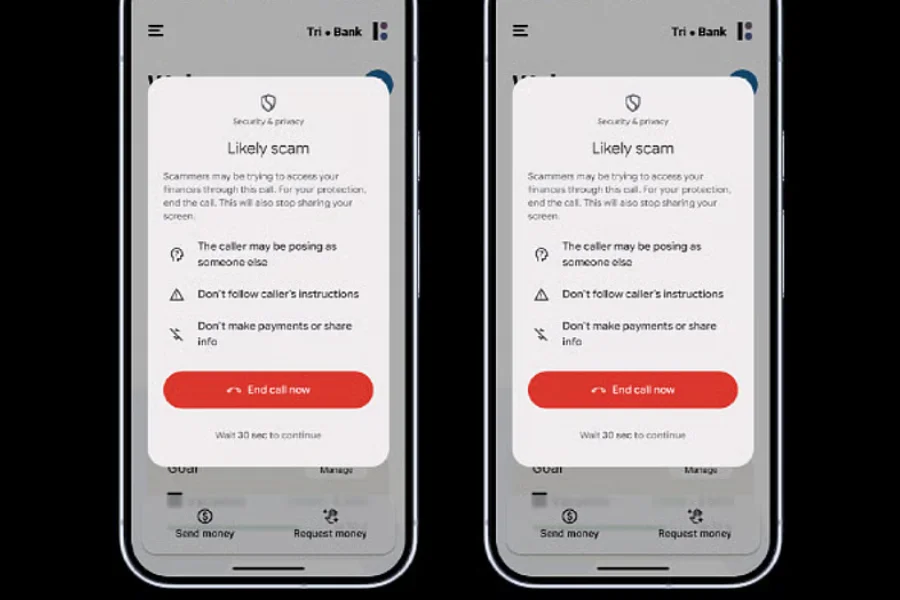
In the UK, there are several legal protections available. Registering with the Telephone Preference Service (TPS) reduces the chances of receiving marketing calls. Reporting numbers to Ofcom or the Information Commissioner’s Office (ICO) helps authorities track and investigate potential scams. Keeping records of suspicious calls—such as dates, times, and caller behavior—can support legal action if harassment or fraud occurs.
Reporting is not only beneficial for yourself but also for the broader community. The more data authorities have, the better they can identify patterns and prevent others from being targeted. Combining legal protections with blocking and verification strategies creates a strong defense against scam activity.
Frequently Asked Questions (FAQs)
Who owns 442045254841?
No verified business claims ownership. Reports suggest telemarketing or potential scam activity.
Is this number safe to answer?
Most reports advise caution. Only answer if expecting a call from a known London-based organization.
Can this number steal money or personal info?
Yes, if you share sensitive information with the caller.
How can I stop the calls?
Block the number, use call-filtering apps, and report suspicious activity to authorities.
Also Read: 2036344465
Final Words
Many have reported getting repeated calls, automated messages, or pushy sales pitches. Some even get follow-up texts with links that could be scams. The tricky part is caller ID spoofing, which can make the number look local, even if the call comes from somewhere far away. While a few calls might be real, urgent requests, vague explanations, and pressure to act fast are big warning signs.
To stay safe, never give out personal or financial information unless you’re 100% sure who’s calling. Let unknown calls go to voicemail and check the number before calling back. Apps like TrueCaller or Hiya can help block suspicious calls. In the UK, registering with the Telephone Preference Service (TPS) can cut down on marketing calls. You can also report strange numbers to Ofcom or the ICO, helping protect yourself and others.
Trust your instincts. If a call feels wrong, don’t pick up. Checking numbers first and staying cautious is the simplest way to avoid scams.
For more insights, tips, and honest reviews to simplify your daily life, stay connected with The Manga Buddy.