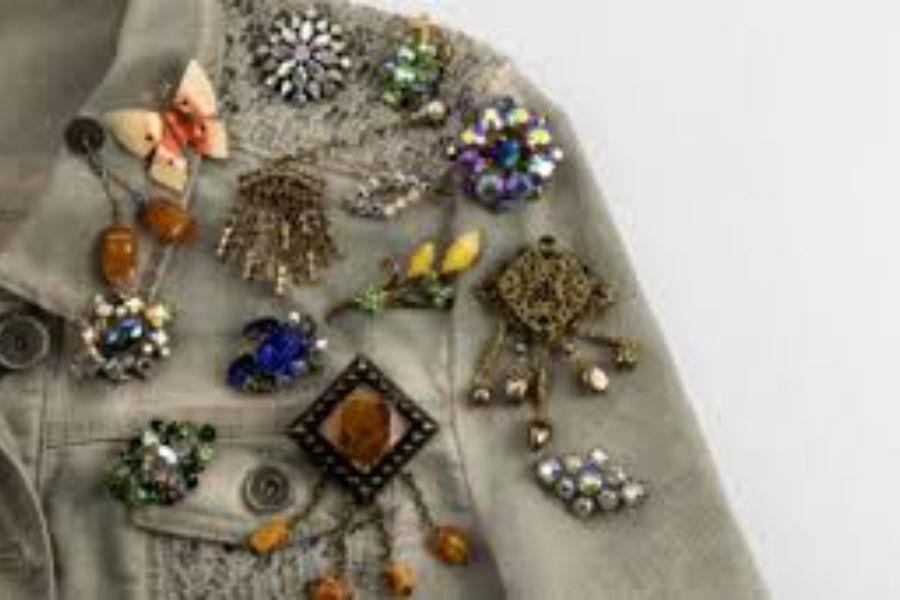
Small, unassuming, yet full of meaning — that’s a sagė. You might think of it as just a decorative pin, but it can do so much more. A sagė can complete an outfit, carry a memory, or reflect your personality. One tiny piece can transform your look and even your mood. That’s why sagės have lasted centuries and continue to feel relevant today. Whether you’re new to them or building a collection, understanding sagės can help you wear them with confidence and style.
What Are Sagės and Why People Still Wear Them
A sagė, often called a brooch in English, is more than just a pin for your clothes. Unlike small pins or badges, sagės are usually designed to be seen. They have weight, craftsmanship, and personality. A sagė is not just about decoration — it’s about expression. It lets you say something about yourself without a word. That might be elegance, humor, nostalgia, or a hint of playfulness.
One key difference between a sagė and a standard pin is versatility. A pin often has a single, fixed purpose: to secure or show off. A sagė is flexible. You can move it from a coat lapel to a scarf, from a dress shoulder to a handbag, depending on how you feel. That flexibility makes sagės personal. You control how it interacts with your outfits and the story it tells.
In real life, this makes a big difference. Picture wearing the same black blazer every week. On Monday, it feels standard. By Wednesday, you add a small floral sagė to the lapel, and suddenly the outfit feels fresh and complete. That one tiny piece draws attention to your look and subtly communicates taste or sentiment.
Fashion experts agree that accessories that carry meaning last longer in style because they connect to emotion. Google’s 2024 trend analysis also highlights that personal, meaningful fashion items are increasingly popular in a world of fast trends. A sagė is small, but its effect is lasting.
A Short History of Sagės
Sagės didn’t start as accessories meant to show personality. They began as simple tools designed to hold clothes together. Ancient civilizations, from the Romans to early Celtic cultures, used fibulae, early forms of sagės, to fasten cloaks and tunics. These metal pins were practical but also reflected status. Wealthier individuals used stronger metals or intricate designs, signaling rank and importance. Even in those early days, a sagė wasn’t purely functional—it told a story about the wearer.
As centuries passed, sagės evolved. During medieval Europe, they became symbols of faith and loyalty. Nobility often wore sagės with heraldic or religious motifs. These pins were carefully crafted and displayed on cloaks or dresses to convey identity. By the Renaissance, artistry increased further. People began to view them as jewelry, not just tools.
Fast forward to the Victorian era: sagės became deeply sentimental. Mourning brooches, lockets, and cameos allowed wearers to carry memories of loved ones or mark important events. These pieces often held a mix of personal and emotional significance, bridging utility and emotion. Later, the Art Deco movement transformed sagės into bold geometric designs, reflecting modernity and playful creativity. By the 20th century, sagės could be delicate or daring, casual or formal, and often reflected personal style rather than societal status.
Today, sagės are free from rigid rules. Vintage pieces sit comfortably alongside modern minimalist designs. People wear them to express individuality, nostalgia, or simply to add a touch of flair to their outfits. Fashion insiders frequently note that items with historical and emotional resonance tend to resurface because they feel meaningful and personal, unlike disposable trends.
From Ancient Fasteners to Status Symbols
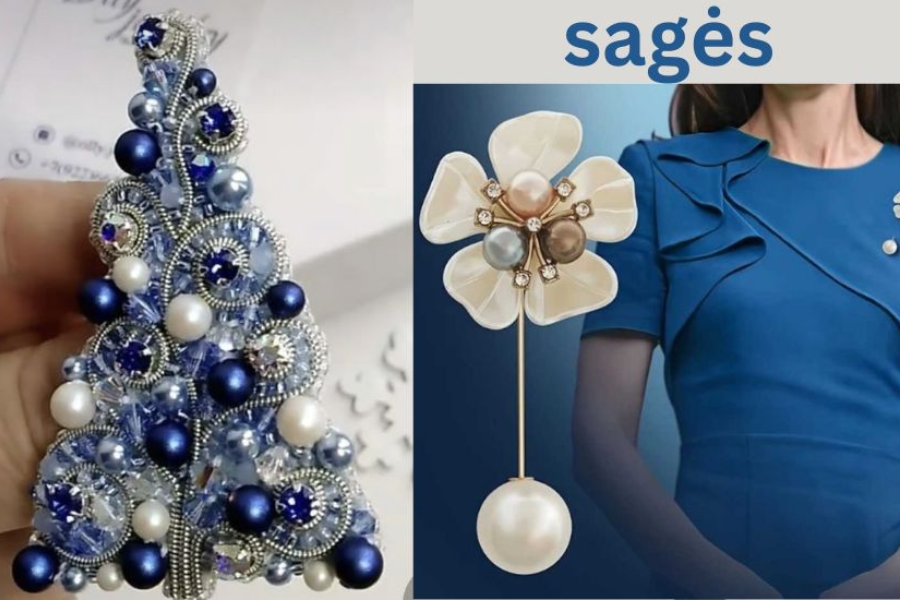
In the beginning, sagės were purely functional. Imagine a Roman soldier or a Celtic warrior. Clothing needed fastening, and fibulae did the job. But even then, materials mattered. Bronze, silver, and gold not only held garments but conveyed rank. The simplest design might belong to a commoner; ornate pins signaled wealth and influence.
Medieval sagės followed similar principles. A noble might wear a brooch adorned with family crests or religious symbols, broadcasting allegiance and heritage. Wearing a sagė was rarely accidental—it communicated standing, loyalty, and taste. Even artisans knew that the design could enhance the wearer’s status.
Practicality and symbolism intertwined. People valued both functionality and appearance. The pin was secure enough to hold heavy garments while being intricate enough to display artistry. Historical examples often survive in museums today, showing that even small accessories carried a big message.
From Sentimental Jewelry to Modern Fashion Accent
By the Victorian era, sagės became emotional keepsakes. Mourning brooches, often containing hair or miniature portraits, allowed people to remember loved ones closely. Cameos and floral designs added elegance while carrying personal significance. In everyday life, these items weren’t just jewelry—they were intimate tokens of memory.
In the 20th and 21st centuries, sagės shifted toward fashion freedom. Designers in the 1920s and 1930s created Art Deco pins with bold lines and geometric forms, showing that sagės could be playful and modern. Today, fashion bloggers and designers embrace both vintage and contemporary styles. You can mix sentimental pieces with statement or minimalist designs for a look that is uniquely yours.
A sagė’s appeal today lies in this blend of tradition and modernity. It honors history while letting you express your style. Wearing one can feel nostalgic, artistic, or fun, depending on the piece and occasion.
Common Types of Sagės You’ll See Today
Sagės come in many styles, but most can be grouped into clear categories. Knowing these types helps you choose pieces that fit your personality, wardrobe, and occasion.
Classic sagės are traditional pins, often floral, abstract, or vintage-inspired. Cameo sagės are a specific classic type. They feature raised portraits carved from shell, stone, or resin. Cameos feel timeless and elegant, often chosen for formal events or as meaningful gifts.
Statement sagės are larger, bolder, and more playful. They might feature animals, symbols, or bright colors. People wear statement pieces to draw attention and start conversations. These sagės are perfect for casual or semi-formal outfits, adding personality without overwhelming the look.
Minimalist sagės focus on clean lines and simple shapes. Circles, bars, geometric forms, or a single gemstone define this category. Minimalist pieces are ideal for daily wear, blending with modern wardrobes. Many fashion editors recommend these for beginners because they’re versatile and won’t clash with other accessories.
Mixing types can also be fun. For example, pairing a small cameo with a subtle minimalist pin on a scarf can create layered interest. Similarly, a statement sagė on a plain coat instantly elevates an outfit. Knowing types helps you make these choices intentionally rather than randomly.
Classic and Cameo Sagės
Classic and cameo sagės are about elegance and tradition. Cameos, in particular, show raised faces, animals, or scenes, often evoking nostalgia.
People choose these sagės for formal settings or sentimental reasons. For example, a grandmother might pass down a cameo sagė as a family heirloom. Wearing it connects you to history and memory. Even if you pair it with modern clothing, the piece stands out as meaningful.
A classic sagė works with almost any fabric that’s strong enough to hold its weight. Blazers, coats, and dresses are perfect options. They’re versatile and timeless, making them an excellent starting point if you’re new to collecting.
Statement and Symbolic Sagės
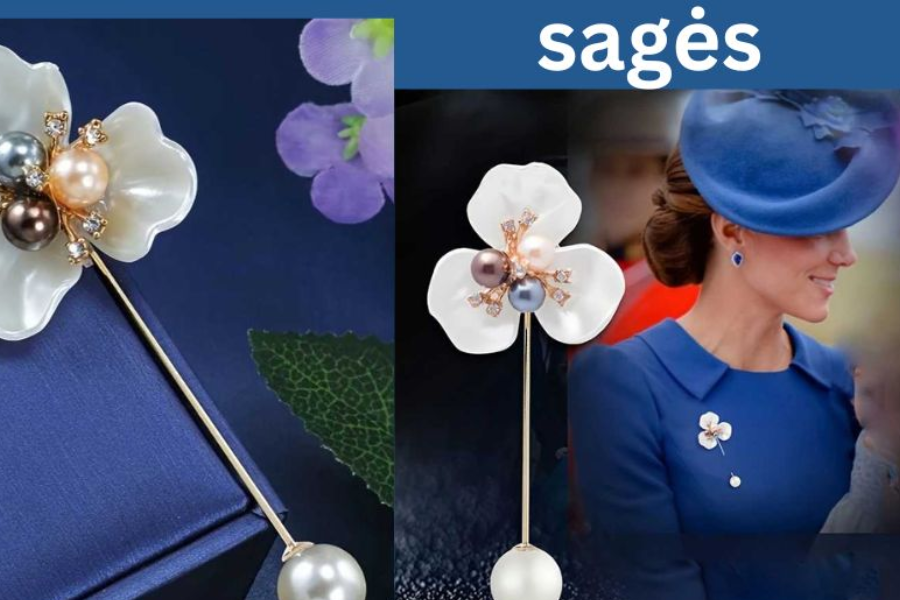
Statement sagės are about expression. They’re larger, brighter, and designed to catch the eye. They can feature animals, plants, or abstract motifs. Symbolic sagės carry deeper meaning, like a dove for peace or a flower for growth.
People use statement pieces to highlight personality. Imagine a bright red phoenix on a black coat—it becomes the centerpiece of your outfit. Symbolic sagės can mark milestones, support causes, or serve as personal reminders.
In everyday life, these sagės allow for creativity. You might wear one to a party, casual brunch, or social event. They invite conversation without needing explanation, offering a quiet yet powerful way to communicate your values or interests.
Minimalist and Modern Designs
Minimalist sagės are simple, often geometric or single-stone pieces. Modern designs focus on sleekness and versatility. They’re subtle but impactful.
You can wear them daily, with work outfits or casual clothing. For example, a small gold bar pin on a blazer adds sophistication without feeling flashy. Minimalist pieces are perfect if you prefer understated elegance or want to layer multiple pins without clutter.
They also pair easily with other accessories. A minimalist sagė can anchor a necklace, bracelet, or scarf ensemble. Because they’re simple, they won’t compete with other statement items.
Materials Used in Sagės
The materials used in a sagė tell you a lot about how it will look, feel, and last. Some are expensive, some are affordable, and each has its own charm. Knowing this helps you choose pieces that suit your style, lifestyle, and budget.
Precious metals like gold, silver, and platinum are classics. They last a long time, resist tarnishing, and can become heirlooms. A silver floral sagė, for example, can survive decades of wear with just basic care. Costume metals or alloys are lighter and more affordable. They can be playful, colorful, and trendy, but they may tarnish faster or feel less durable.
Gemstones, crystals, and glass add sparkle and personality. Diamonds, sapphires, or rubies bring luxury and symbolic meaning. Colored glass or crystals create playful, bright designs without breaking the bank. Enamel allows for artistic patterns and vivid colors, making designs pop. Natural materials like pearls, shell, wood, or textiles bring warmth and organic texture. They can make a sagė feel handmade and intimate.
Material choice also affects how you wear and care for your sagė. Heavy pieces need sturdier fabrics to prevent sagging. Delicate materials like enamel or wood require gentle cleaning and careful storage. Some metals react to moisture or chemicals, so knowing what your sagė is made of helps it last longer.
In real life, material matters when you mix pieces in your wardrobe. Understanding materials lets you pick pieces that are comfortable, durable, and visually fitting.
What Sagės Symbolize
Sagės aren’t just beautiful—they can carry meaning. Many designs use symbols to tell a story. A flower might represent growth or remembrance. An animal could symbolize strength, freedom, or protection. Even abstract shapes can have personal significance.
People often attach sagės to memories or milestones. A piece from a loved one, a souvenir from a trip, or a gift for a graduation can hold emotional weight. Wearing it brings a small but meaningful reminder each day. Some collectors even organize their sagės around themes, like animals, eras, or materials, making their collection a gallery of memories.
Not all symbolism needs to be deep. Sometimes you choose a sagė simply because it makes you smile or matches an outfit. That’s perfectly valid. Fashion experts note that the emotional connection often matters more than the symbolism itself. If it makes you feel confident or joyful, it’s doing its job.
Sagės can also serve as conversation starters. Wearing one that references a hobby, cause, or interest can spark connections. For instance, a bird-themed sagė might prompt a friendly comment about birdwatching, giving you an easy way to share your passions.
In practical terms, the attachment people feel to sagės is part of why they last as accessories. They’re more than trends; they’re personal markers. Each piece can become part of your story, worn in ways that reflect your personality and life experiences.
How to Wear Sagės Without Overthinking It
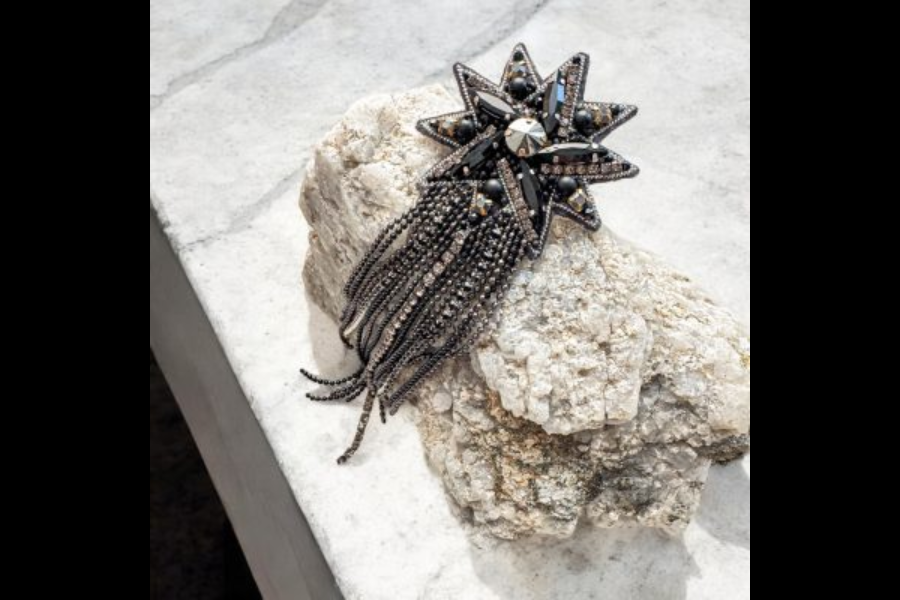
Styling a sagė doesn’t have to be complicated. A sagė can be the highlight of an outfit, or a subtle complement. The placement, size, and style all affect how it reads in your look.
Classic placements are usually the easiest. Pinning a sagė to a coat lapel, blazer, scarf, or the shoulder of a dress works almost every time. These spots support the pin’s weight, prevent fabric damage, and look natural. Even a bold statement piece feels grounded when placed here. Everyday examples include attaching a floral pin to a wool coat for winter, or a geometric design to a blazer for a meeting—both add interest without overwhelming.
Unexpected placements let you get creative. Attach a small sagė to a handbag, hat, or belt. Some people even pin them to denim pockets or hair clips. These placements can transform ordinary items into personalized style statements. The trick is balance: the sagė should feel intentional, not random.
Experimentation is key. Try multiple placements and take a photo to see what works. You might discover that a brooch works perfectly on a scarf knot or the side of a bag. Fashion stylists often say confidence is the main rule—if you like it, it works.
Sagės can also layer. A minimalist pin next to a statement piece can create depth, showing thoughtfulness without clutter. Always consider the fabric, weight, and color contrast. Some materials, like thin silk, may need reinforcement to avoid sagging.
Classic Placements That Always Work
Some spots are foolproof. Coat lapels, blazer collars, dress shoulders, and scarf edges are classic placements. They hold the pin well and highlight its design naturally. Even a simple small sagė looks elegant when placed here.
For example, adding a small floral pin to your blazer can instantly make your outfit feel fresh and thoughtful. Similarly, a geometric or metallic sagė on a dress shoulder creates a subtle focal point. Classic placements support both casual and formal looks, making them versatile.
When wearing multiple sagės, spread them evenly. Too close together can look cluttered. One or two strategic pins are usually enough to elevate your style without drawing attention away from your outfit.
Unexpected but Stylish Ways to Wear Sagės
If you want to add personality, try unconventional spots. Pin a sagė on a handbag strap, hat brim, or belt. A small piece on a denim pocket or hair clip can be playful and modern. These placements are especially fun for casual or creative looks.
For example, a bright bird sagė on a tote bag turns an ordinary accessory into a conversation starter. Or a geometric piece pinned to a beret gives an artsy touch to a neutral outfit. The key is balance—unexpected placements work best when the pin feels purposeful, not random.
Layering multiple small pins on scarves, jackets, or bags also adds visual interest. You can mix classic and modern designs for contrast. The goal is expression, not perfection.
How to Choose the Right Sagė for You
Choosing the right sagė starts with your wardrobe and lifestyle. Look at your most-worn colors, patterns, and fabrics. A sagė should complement what you already wear.
Size matters. Large statement pins make an outfit bold, while smaller pins are subtle and versatile. Consider weight too—heavier pieces need sturdier fabrics, while delicate fabrics benefit from lightweight pins. Style is also key. Timeless pieces, like classic floral or geometric designs, last longer and suit more occasions. Playful or trendy sagės are great for self-expression and short-term fun.
Color coordination is important. A gold sagė may suit earth tones, while silver or gemstone pieces work well with cool shades. Think about the outfit and event. Office settings might need subtle pins, while social gatherings allow bold, bright pieces.
Avoid common mistakes. Don’t overload a single garment with too many heavy sagės. Always check that clasps are secure to prevent damage or loss. If buying vintage, make sure the pin mechanism still works.
Finally, trust your instincts. The right sagė is the one that makes you feel confident. Don’t chase trends blindly; let your personal taste guide your choices.
Caring for Sagės and Making Them Last
A sagė can last decades if cared for properly. Storage is the first step. Keep sagės separate to avoid scratches or tangling.
Cleaning is simple. Avoid harsh chemicals, which can damage metal, enamel, or natural materials. For delicate or vintage pins, a gentle wipe is usually sufficient.
Check clasps regularly. Even small looseness can lead to loss or damage. Tighten pins carefully, and avoid bending them too much. Some sagės are fragile, so treat them like the delicate art they are.
Also, consider the fabric you attach the sagė to. Lightweight or delicate materials may need reinforcement to prevent stretching or tearing. Heavier fabrics can support ornate or large pieces without trouble.
Finally, rotation helps. Don’t wear the same sagė daily. Regularly changing pieces prevents wear, keeps your collection interesting, and allows you to enjoy multiple designs over time.
Why Sagės Still Matter in Modern Fashion
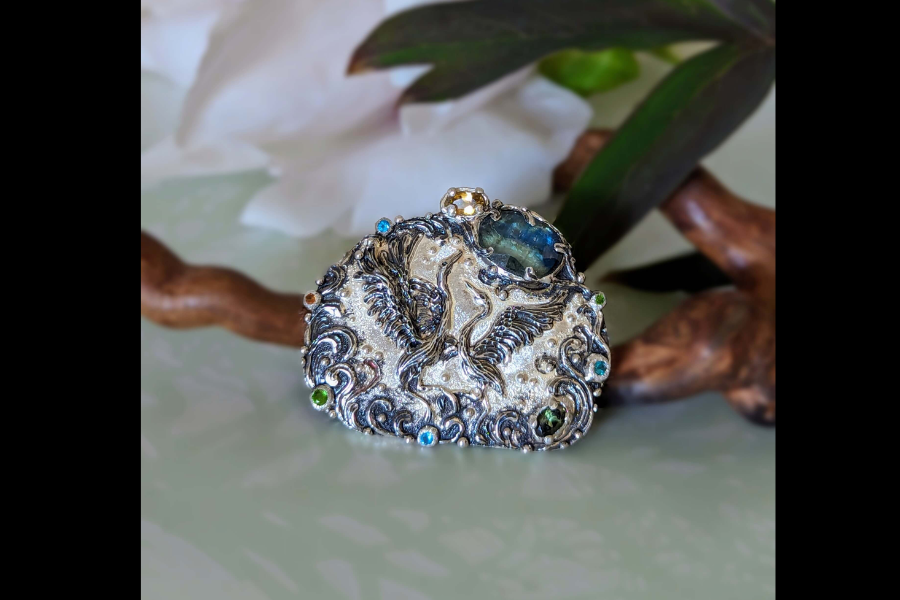
Sagės are more than a passing trend. They support slow, meaningful fashion. One small pin can refresh your wardrobe without buying new clothes, making them sustainable and versatile.
They also keep returning because people crave personal expression. Unlike fast-fashion accessories, a sagė can hold emotional and aesthetic value. You can wear the same piece for years, passing it between generations, or simply enjoying it as a daily companion.
Fashion experts note that accessories with storytelling power—like sagės—resonate in a world of fleeting trends. Each piece can reflect history, personality, and emotion at once. Small, intentional, and flexible, sagės let you express identity subtly but powerfully.
The magic lies in their size and meaning. They’re small enough not to dominate but impactful enough to make a statement. Whether worn daily or saved for special moments, a sagė is an enduring symbol of style and story.
Also read: Raspberry Hills and Raspberry Hills Hoodies
Final Words
Sagės are more than just jewelry—they’re small pieces with big stories. Each sagė you wear can express personality, hold a memory, or add a unique touch to your outfit. From classic cameos to bold statement designs, sagės let you mix tradition with modern style in ways that feel personal. They’re versatile too—you can pin them on a coat, dress, scarf, bag, or even your hair, making them a simple but powerful way to refresh your look. Choosing the right sagė means considering size, material, color, and the story it tells. Caring for them ensures they last for years, letting you pass treasured pieces between generations or enjoy them as daily companions. In a world of fleeting fashion, sagės endure because they connect style with meaning. Small, thoughtful, and timeless, sagės remind us that even tiny details can make a big impression.
Dive into more stories, tips, and inspiration with The Manga Buddy—where every page brings a new adventure.