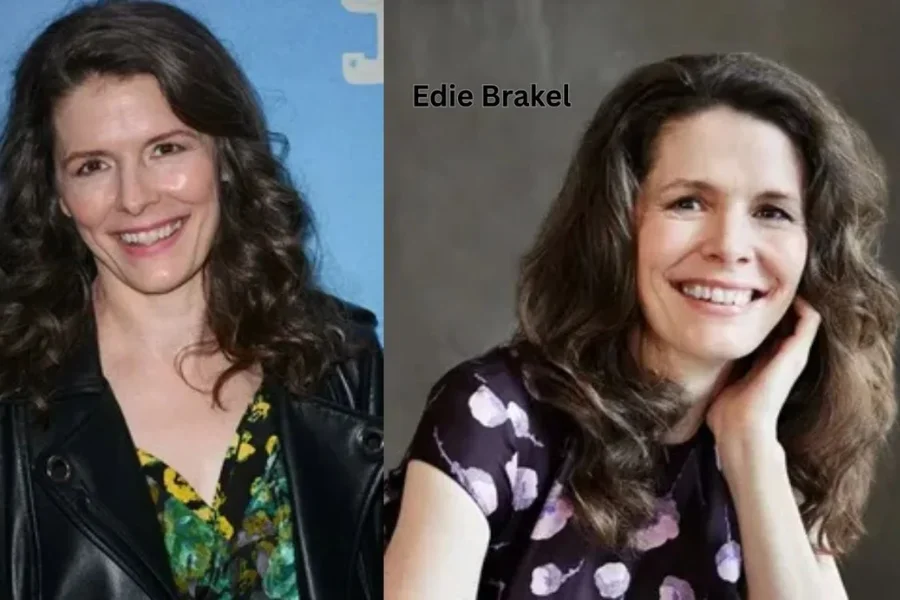
You might have noticed the name Edie Brakel popping up online and wondered what’s going on. Maybe it appeared in a search result, on a blog, or even in a playlist. It’s natural to be curious—our brains are wired to notice patterns and names that keep showing up. When you see a name multiple times without a clear explanation, it sparks questions: Is this a person? A brand? Something else entirely? That’s exactly the kind of curiosity we’re trying to satisfy here.
It’s important to set expectations before diving in. Right now, there is very little verified public information about Edie Brakel. There’s no confirmed biography, no official media coverage, and no authoritative profiles. This article isn’t going to invent a story or speculate wildly. Instead, it will focus on what’s actually visible online, explain why people are searching for the name, and clarify the difference between a name, an online identity, and a confirmed individual.
We’ll also look at common sources of confusion, how search engines treat unclear names like this, and practical ways for you to evaluate the claims you see. Think of this as a step-by-step tour of the digital footprint of Edie Brakel, giving you clarity without hype. By the end, you’ll understand why this name attracts attention and what you can reasonably conclude from the available information.
What Is Edie Brakel?
At its simplest, Edie Brakel is a name that shows up online in various places, like search results, blogs, and playlists. People notice it and naturally assume it refers to a real person or a public figure. That assumption is common because most names we see online are attached to someone or something recognizable. But in this case, there isn’t clear evidence to support that assumption yet.
When we look closer, it helps to separate three key ideas. First, a name is just a label—letters put together that identify something. Second, an identity is how a name is used online, whether by a real person, a brand, or a creative project. Third, a confirmed individual is someone whose existence and activities are publicly verifiable through trustworthy sources. Right now, Edie Brakel exists as a name and an identity, but there’s no verified individual behind it.
Many online names gain traction before there is any concrete information about them. Sometimes they belong to private individuals who don’t want attention. Sometimes they are aliases, pen names, or usernames that happen to catch interest. And sometimes, the interest itself amplifies the name. Google’s own Search Central documentation notes that search engines often surface pages explaining unclear entities because users want answers, even if no authoritative facts exist.
In everyday terms, think of Edie Brakel like a mysterious new café in your town that you’ve heard about from a friend, online review, or social media. You know it exists somewhere, but until you see it in person, you can’t confirm what it’s really like.
Is Edie Brakel a Real Person?
What Can Be Confirmed
Here’s what we can confidently say about Edie Brakel: there is no verified public biography, no consistent media presence, and no authoritative profiles on major platforms. Searches on Wikipedia, professional directories, and music or media databases return no confirmed results. There are no interviews, press releases, or news articles from trusted sources. In short, there is no evidence that Edie Brakel is a public figure in the traditional sense.
From a search engine perspective, this is important. Google’s guidelines prioritize content from authoritative, verified sources for queries about people. If someone were widely recognized, there would be clear signals: official websites, media coverage, or social accounts with verification. The absence of these signals suggests that Edie Brakel’s digital presence is minimal and largely unverified.
In practical terms, this means anyone who encounters the name online should approach it cautiously. Just because a blog or playlist mentions Edie Brakel doesn’t make it a confirmed person. Many names gain visibility in niche communities long before any official recognition. This is common in creative fields, online forums, or early-stage projects, where names float around before they’re publicly validated.
What Remains Unclear
It’s possible Edie Brakel is a private individual who prefers to keep personal details offline. It could also be an alias, pen name, or username used in a limited context. The lack of information makes the name intriguing, and curiosity tends to amplify visibility.
This curiosity loop is common online. People see a name repeatedly, search for it, and blogs or discussions respond to that interest. Search engines notice the growing attention and display pages explaining the name. The cycle repeats, giving the impression that the name is “trending” even if there’s no new activity.
Think of it like hearing about a friend of a friend you’ve never met. You hear the name in multiple conversations and start wondering who they are, even though you have no direct knowledge. The digital world works the same way. A name becomes more visible simply because people are trying to find answers, not because facts are emerging.
Why Is Edie Brakel Trending Online?

The rise of Edie Brakel’s visibility isn’t due to an event or public announcement. It’s largely driven by repeated exposure and curiosity. When you see a name once, you might ignore it. Twice, you notice. By the third time, curiosity kicks in, and you search for it. Multiply this behavior across hundreds or thousands of users, and search engines start ranking pages that attempt to explain the name.
Blogs and playlists play a key role here. A playlist titled “Edie Brakel” or a short mention in a blog introduces the name to new audiences. But these appearances don’t prove the existence of a verified person. They only prove that someone used the name in a specific context. The distinction is subtle but important: visibility does not equal verification.
This phenomenon is well documented in digital trend analysis. HubSpot has noted that content or terms that are mentioned repeatedly—even without confirmed facts—tend to grow in visibility because search engines detect user interest. In Edie Brakel’s case, repeated mentions, combined with natural curiosity and search behavior, have created a loop where more people notice the name, more people search it, and more blogs write about it.
In real life, it’s like seeing a mysterious shop in town that everyone talks about but no one has been inside yet. The conversation itself amplifies interest, even without verified knowledge.
Common Sources of Confusion Around Edie Brakel
Name Similarity and Misidentification
One major source of confusion comes from similar names. A single letter difference is enough to cause search errors and mistaken assumptions. Many users searching for Edie Brickell accidentally encounter Edie Brakel, or vice versa, which leads to more curiosity and speculation.
Search engines do their best to understand intent, but algorithms aren’t perfect. A small spelling difference can create misleading results, especially when the name is uncommon. People naturally assume a connection, even if none exists. The confusion spreads further when blogs, forums, or playlists reference the name incorrectly or without context.
Playlists, Mentions, and Attribution Mistakes
Another source of misunderstanding comes from playlists and mentions. If a playlist is labeled “Edie Brakel,” some people assume that Edie Brakel created the music. That assumption is false. Playlist creators often name collections for fun, inspiration, or organization, not because they authored the content.
This type of attribution error is common online. Forbes has covered instances where online curation causes people to misidentify creators or misinterpret digital content. Just because a name appears doesn’t mean it belongs to an artist, brand, or public figure.
How Search Engines Treat Names Like Edie Brakel

When you search a name online, Google and other search engines try to figure out why you are searching. In this case, the intent is largely informational—people want to know who or what Edie Brakel is. Google ranks pages that attempt to explain the name, even when facts are limited.
Neutral, fact-based pages perform best. That’s because search engines prioritize clarity, accuracy, and user satisfaction over speculation. Google Search Central emphasizes that pages providing helpful context and acknowledging uncertainty are valued more than pages that make unverified claims.
Could Edie Brakel Become a Brand or Public Identity?

Many online identities start exactly like Edie Brakel: a name floating without context. Some of these names eventually grow into brands, projects, or public figures as they release content, build recognition, or engage with audiences. Others remain small, niche, or private.
It’s possible Edie Brakel could become more visible in the future, especially if someone begins publishing work under the name or gains recognition online. However, right now there’s no signal pointing to public activity, verified work, or brand development. The future is possible but far from guaranteed.
Think of it like a seed. You plant it, water it, and give it sunlight, but whether it grows into a tree depends on effort and conditions. Similarly, Edie Brakel could gain a clear identity if the name is actively used, but until then, it remains a name generating curiosity.
How to Evaluate Claims You See About Edie Brakel

When you see claims about Edie Brakel online, it’s important to pause before accepting them as truth. The internet moves fast, and information spreads quickly, but not all of it is accurate. Many mentions of the name appear in blogs, playlists, or casual social media posts, and these sources are not necessarily reliable. Before drawing conclusions, ask yourself key questions: Where is this information coming from? Is it backed by official or credible sources? Has it been reported by multiple trustworthy outlets, or is it only repeated in niche corners of the web? These questions help separate speculation from verifiable facts.
Reliable signals are what you should prioritize. For instance, an official website, verified social media accounts, interviews with recognized publications, or consistent mentions across established media platforms all carry weight. In contrast, speculation often relies on vague statements, anecdotes without attribution, or a single mention that spreads without verification. A good example is a playlist labeled “Edie Brakel.” While it might introduce the name to new audiences, it doesn’t prove the existence of a person or any creative work by them. Mistaking visibility for credibility is a common online error, especially with names that appear sporadically in content or search results.
Practical steps you can take include cross-checking names in reliable databases, looking for multiple independent references, and recognizing the difference between attention and actual validation. Just because a name appears repeatedly online does not confirm the identity behind it. Search Engine Journal and other SEO experts recommend focusing on evidence-based evaluation, especially when dealing with ambiguous or emerging names. In short, always question the source, compare information, and look for consistent patterns before accepting claims about Edie Brakel as fact. Taking these steps protects you from spreading misinformation and ensures your understanding is grounded in what can actually be verified.
Final Words
The reality about Edie Brakel is straightforward: it is a name that appears online, but there is no verified public figure, biography, or established brand behind it. The mentions you see—whether in search results, blogs, or playlists—reflect curiosity, repeated exposure, and sometimes confusion with similar names, rather than confirmed facts. Despite its visibility, the information surrounding the name remains minimal, and most assumptions circulating online are based on interpretation rather than evidence. Understanding this helps clarify why Edie Brakel has become a topic of interest, even in the absence of traditional proof.
It’s normal to feel confused when a name seems familiar but has no clear background. Curiosity doesn’t equal misinformation; it simply indicates that people are noticing the name and seeking answers. The situation illustrates a broader pattern on the internet, where a combination of repeated mentions, ambiguity, and curiosity can make a name appear more prominent than the reality behind it. This is particularly common for online identities, pseudonyms, or creative aliases that may exist in niche digital spaces without public validation. Knowing this allows you to approach the topic critically and avoid jumping to conclusions.
Ultimately, the best approach is a combination of awareness and caution. Recognize what is actually known, acknowledge the limits of the information, and be mindful of speculation. By doing so, you can navigate online discussions with clarity and discernment. The story of Edie Brakel reminds us that not every name online tells a complete story, and that curiosity should be guided by careful evaluation rather than assumption. The name may become clearer over time, but for now, understanding what is verified versus what is uncertain is the key to making sense of it.
Stay curious, keep exploring, and let The Manga Buddy guide you through every story, mystery, and adventure.