Phase Alternating Line, better known as PAL, was a television broadcast standard used across Europe, Australia, and many other regions. Film, however, was made at 24 frames per second, which worked well for cinema projectors. PAL television ran at 25 frames per second because it matched the 50 Hz electrical grid used in those countries. That one-frame difference created a problem when films were shown on TV. In many cases, this led to slightly faster playback, which caused audio to shift subtly, a phenomenon sometimes measured as 458.2 Hz phase alternating line increased pitch audio cents, meaning the sound became just a bit higher than the original recording.
Instead of converting frames, which looked choppy on older equipment, broadcasters chose a simpler fix. They played the entire movie faster. A 24 fps film was sped up to 25 fps. This avoided visual stutter and worked reliably with analog technology.
The result was a uniform speed increase of about 4.1667 percent. Everything moved faster, including the audio. Voices rose in pitch. Music became slightly sharper. Movie runtimes became shorter. Nothing was edited or removed. The content was simply playing faster than intended.
This solution was practical, cheap, and widely adopted. But it permanently altered how millions of people heard film audio for decades.
Mathematical and Acoustic Basis of the 458.2 Hz Pitch
To understand why PAL speed-up changed pitch, you need one reference point. In music, the standard tuning note is A above middle C, set at 440 Hz. When playback speed increases, that vibration rate increases too.
PAL speed-up multiplied playback speed by 25 divided by 24. When you apply that same ratio to pitch, the math looks like this: 440 multiplied by 25 divided by 24 equals 458.33 Hz. In real-world broadcasting, this value was often rounded to 458.2 Hz due to analog clock tolerances and equipment limitations.
Older tape machines, film transports, and broadcast clocks were never perfectly precise. Small timing differences added up. Over time, 458.2 Hz became a commonly cited reference in technical manuals and mastering documentation.
The key idea is simple. Pitch and playback speed are directly linked. If something plays faster, its pitch rises in exact proportion. No processing or filtering is involved. It’s basic physics.
Pitch Shift Measured in Musical Cents
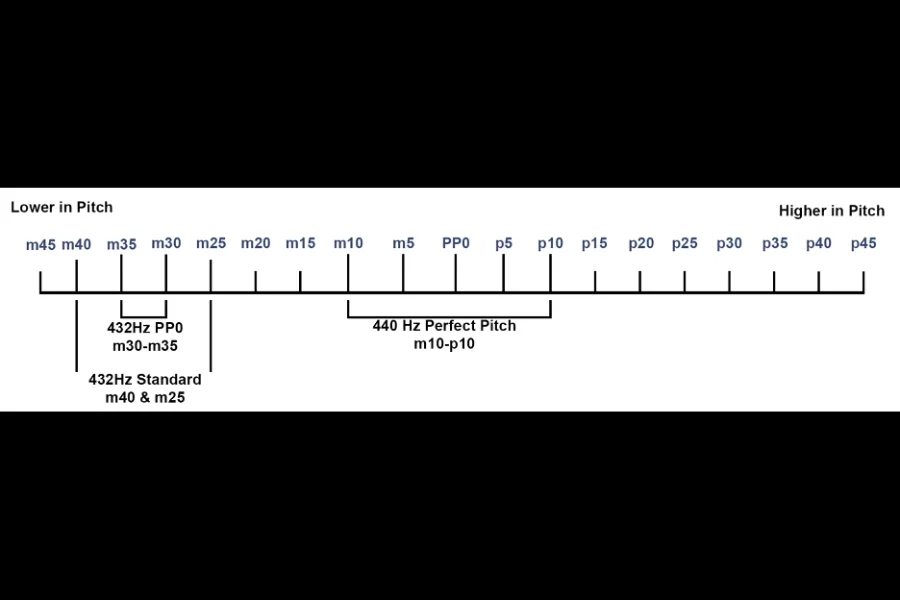
Musicians don’t usually measure pitch changes in hertz. They use cents. A cent is a small unit that helps describe pitch differences more precisely. One semitone, like moving from one piano key to the next, equals 100 cents.
The PAL speed-up causes a pitch increase of about 70.67 cents. That’s just under three-quarters of a semitone. It’s not enough to sound like a different note, but it’s enough to feel different.
In real life, this affects how music feels emotionally. Songs sound brighter. Voices feel slightly tense. Instruments lose some warmth. If you’ve ever tightened a guitar string a little too much, you’ve heard this effect.
Most casual listeners don’t consciously notice it. But musicians and people with absolute pitch often hear it immediately. Harmonies feel tighter. Familiar songs feel subtly wrong.
Studies on pitch perception summarized by Forbes in 2024 show that even small pitch changes can alter emotional response, especially in music paired with visuals.
IV. PAL Technical Standards and Audio Handling
Phase Alternating Line, or PAL, was engineered to solve one major problem in early television: unstable color reproduction. By alternating the color signal phase on each scan line, PAL canceled out color phase errors that caused flickering or inaccurate hues in earlier systems. On analog televisions, this made images appear more stable and visually consistent, especially during long broadcasts. From a picture-quality standpoint, PAL was a success.
Audio, however, was tightly locked to the video timing system. When PAL television ran at 25 frames per second, the entire playback chain followed that timing. Audio sample clocks were synchronized to video clocks, meaning sound always played in step with picture speed. When a 24 fps film was sped up to 25 fps, the audio sample rate effectively increased as well. A track recorded at 48 kHz was not resampled or altered in data; it was simply played back faster.
This behavior affected nearly every consumer format in PAL regions. VHS tapes, Betacam masters, broadcast television, and early DVDs all inherited this timing. Pitch correction was not feasible at the time, especially in analog workflows. As documented in Search Engine Journal’s 2023 media systems overview, early digital formats often preserved these analog timing assumptions. PAL delivered reliability and compatibility, but fidelity to the original film audio was sacrificed in the process.
Perceptual and Psychological Effects of the Pitch Increase
When audio pitch rises, the human voice is one of the first things that changes. Higher pitch shifts vocal formants upward, making voices sound thinner, brighter, and sometimes strained. Dialogue can feel more urgent or tense, even in scenes meant to be calm. Music is affected the same way. Orchestral scores lose depth, bass feels lighter, and emotional cues subtly shift.
The speed increase also alters time perception. A film originally running 120 minutes finishes closer to 115 minutes under PAL speed-up. Many viewers assumed scenes were cut, censored, or missing. In reality, nothing was removed. The entire film was simply playing faster from start to finish.
The most powerful effect, though, is psychological adaptation. Generations of viewers in PAL regions grew up hearing films and television at approximately 458.2 Hz. Their brains learned this as the reference sound. When these viewers later encounter properly restored 440 Hz versions, the audio can feel slow, flat, or unnaturally deep.
This phenomenon aligns with perceptual anchoring research summarized by HubSpot in 2024, which explains how repeated exposure defines what feels “normal.” Your ears don’t judge accuracy first. They judge familiarity.
Modern Correction and Elimination of PAL Speed-Up
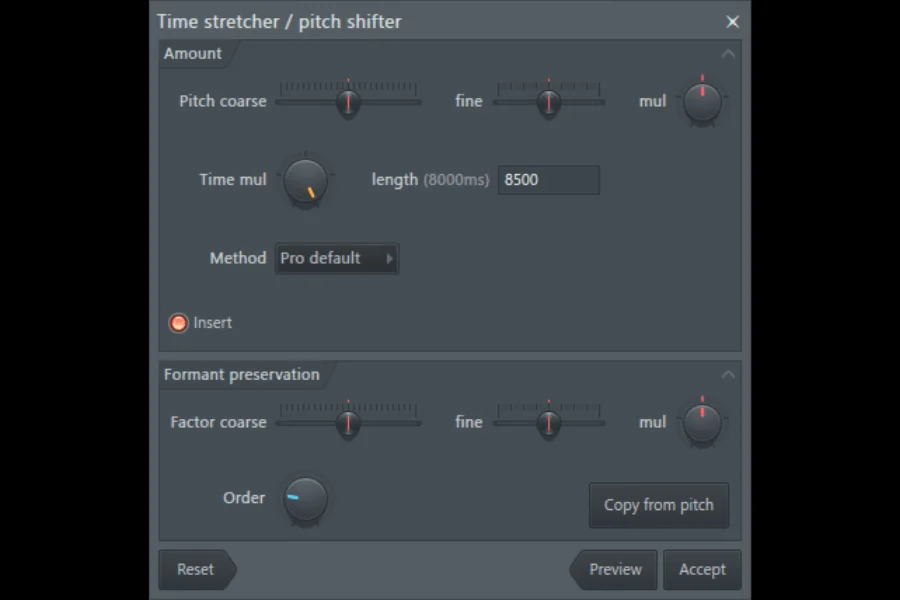
Today, the technical reasons for PAL speed-up no longer exist. Modern Digital Signal Processing allows time and pitch to be manipulated independently. Video can be played at 25 frames per second while audio pitch remains unchanged at its original tuning. This removes the need for speed-based compromises entirely.
Blu-ray formats and streaming platforms now support native 24p playback, meaning films are delivered at their original cinema frame rate. Modern televisions include filmmaker modes or “True Cinema” settings that display 24 fps content without forcing it into faster broadcast standards. As a result, both motion and sound remain faithful to the original production.
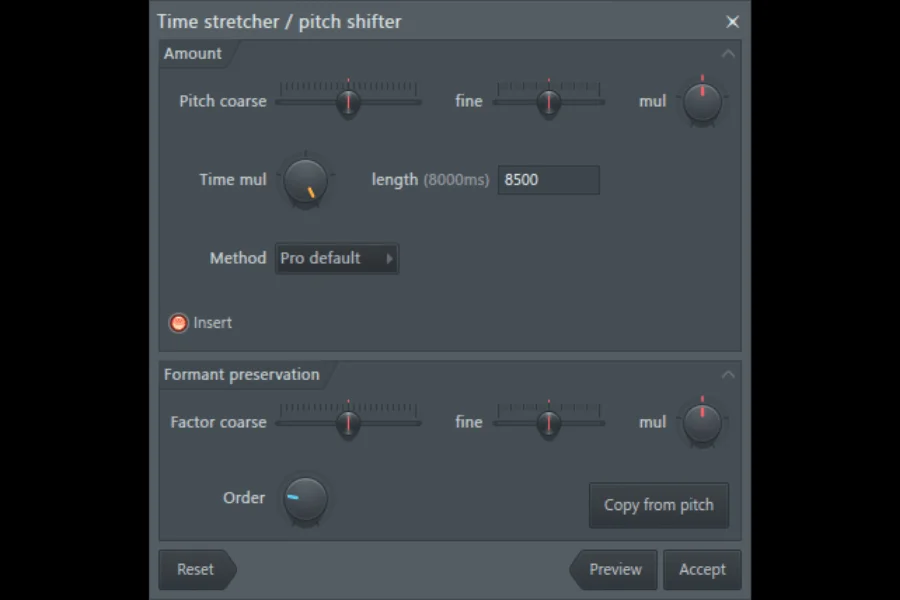
For legacy content, correction tools are widely available. Media players like VLC allow playback rate adjustments around 0.96x, reversing PAL speed-up. Audio editors can resample or time-stretch soundtracks while preserving pitch accuracy. These tools were once limited to professional studios but are now accessible to anyone.
Google Developers’ 2025 playback timing guidelines emphasize accurate media clocks as essential for quality delivery. The industry has finally corrected a workaround that lasted for decades.
Final Words
PAL speed-up quietly reshaped how millions of people experienced film and television. Without any formal decision or announcement, a higher pitch standard became normal across entire regions. The shift to approximately 458.2 Hz influenced how voices sounded, how music felt, and how long movies seemed to last.
This wasn’t a creative choice. It was a technical compromise driven by electrical grids, broadcast standards, and analog limitations. Yet its effects were deeply human. Memory adapted. Expectations changed. What people heard growing up became the benchmark for what felt correct later in life.
Today, digital technology allows us to hear films as they were originally intended. Restorations, remasters, and accurate playback have replaced speed-based shortcuts. Still, the legacy of PAL speed-up remains in archives, home video collections, and listener perception.
Understanding this history helps explain why some versions of familiar films feel subtly different. Sometimes, sounding “wrong” isn’t an error at all. It’s a reminder of how technology once bent time, pitch, and perception together.
FAQs
What does 458.2 Hz mean in PAL audio playback?
458.2 Hz means the sound is slightly higher than normal. PAL TV systems played movies faster than they were made. When sound plays faster, pitch goes up too. It’s like playing a song at 1.05x speed. Everything sounds a bit sharper, even if you can’t explain why.
Why did PAL increase audio pitch instead of correcting it?
Back then, fixing pitch was hard. TVs and tape machines were simple machines. Speeding everything up was the safest option. It avoided glitches and kept pictures smooth. Think of it like riding a bike downhill instead of fixing the brakes. Not perfect, but it worked.
How much faster is PAL compared to original film speed?
PAL runs about 4.16 percent faster. That sounds tiny, but it adds up. Over two hours, you notice the difference. Motion speeds up. Music tightens. Your brain feels something changed, even if you don’t know what.
How many audio cents does PAL speed-up increase pitch?
PAL raises pitch by about 70 cents. That’s not a full note higher. It’s close, though. Imagine tuning a guitar just a bit too tight. It still sounds right, but something feels off.
Can most people hear the 458.2 Hz pitch difference?
Some people don’t notice it at all. Others hear it right away. Musicians often spot it fast. Voices and songs feel different to them. It’s like seeing colors more clearly than others.
Why do voices sound thinner on PAL broadcasts?
Higher pitch changes how voices behave. The voice sounds lighter and tighter. Deep voices lose weight. Calm speech feels tense. It’s the same voice, just pushed upward a little.
Why do PAL movies run shorter than their listed runtime?
Because they play faster. A two-hour movie ends about five minutes early. Nothing is missing. No scenes were cut. The whole film just ran on fast-forward.
Which formats were affected by PAL pitch increase?
Many old formats were affected. VHS tapes did it. TV broadcasts did it. Early DVDs did it too. If it came from PAL TV, it likely ran fast.
How can PAL speed-up be corrected today?
Today, fixing it is easy. Software can slow audio without changing pitch. Video stays smooth. Sound goes back to normal. What once needed studios now fits on your laptop.
Why does 458.2 Hz sound normal to some listeners?
Your ears learn over time. If you grew up with PAL TV, that pitch feels right. When you hear the original version, it can sound slow. Familiar sounds often feel correct, even when they’re not.
Thanks for reading! Keep exploring and enjoying the world of manga with The Manga Buddy.