In today’s business environment, a fast and reliable network infrastructure is no longer optional—it is essential. From real-time collaboration and cloud computing to video conferencing and data backups, every aspect of office operation depends on seamless connectivity. At the core of this connectivity lies the structured cabling system, and among the various standards available, Cat6 Ethernet cabling has emerged as a preferred choice for modern office networks. Known for its balance between performance, cost-efficiency, and scalability, Cat6 cabling continues to play a crucial role in ensuring stable and high-speed data transmission in both small offices and enterprise-level networks.
Understanding Cat6 Ethernet Cabling
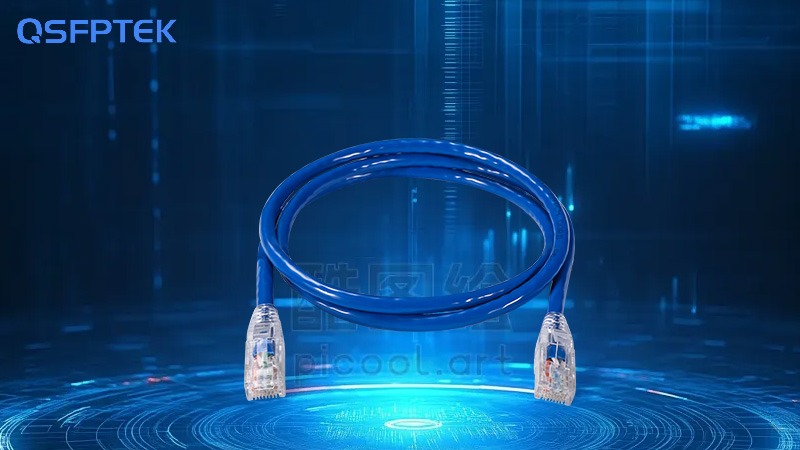
Cat6, or Category 6 cable, is a standardized twisted pair cable designed for Ethernet and other network physical layers. It supports data transfer rates of up to 1 Gbps at 250 MHz for lengths up to 100 meters and can even achieve 10 Gbps over shorter distances, typically up to 55 meters. Compared to its predecessor, Cat5e, Cat6 offers improved specifications for crosstalk, attenuation, and system noise reduction, making it more suitable for high-performance applications.
The cable consists of four twisted pairs of copper wires, each carefully insulated and arranged to minimize electromagnetic interference. The tighter twists and enhanced separator between pairs help prevent signal degradation, which is critical in environments with high data traffic and multiple electronic devices. In many cases, Cat6 cables are available in both unshielded (UTP) and shielded (STP or FTP) versions, allowing network designers to choose based on the interference levels in their office environment.
Why Cat6 Is Ideal for Modern Office Networks
The evolution of office networking has been driven by the increasing demand for bandwidth and stability. With cloud-based services, VoIP telephony, and digital collaboration platforms becoming integral parts of daily operations, the performance of the cabling infrastructure directly influences productivity. Cat6 cabling provides the bandwidth and transmission speed necessary to handle these data-intensive applications without latency or packet loss.
Another key advantage of Cat6 cabling is its compatibility with existing network devices. It supports legacy systems while remaining forward-compatible with newer technologies. This means businesses can gradually upgrade their switches, routers, and endpoints to 10G-capable equipment without needing to completely overhaul their cabling infrastructure. Moreover, Cat6 cables are engineered to meet stricter signal-to-noise ratio (SNR) requirements, resulting in more stable connections and fewer retransmissions during data communication.
Energy efficiency is another benefit often overlooked. By reducing signal loss and interference, Cat6 cabling enables network devices to operate more efficiently, leading to lower power consumption. This characteristic aligns well with the growing focus on sustainable IT practices and green computing within office environments.
Designing an Effective Cat6 Cabling System
The effectiveness of a Cat6 network depends not only on the quality of the cables themselves but also on how they are designed and installed. A well-planned cabling layout ensures optimal performance, minimizes interference, and simplifies future maintenance or expansion. In a typical office setting, structured cabling systems follow the star topology, where each device connects to a central patch panel and network switch. This design provides flexibility for reconfiguration and ensures that a fault in one link does not affect the entire network.
When designing the cabling routes, it is important to consider both electrical and environmental factors. Cables should be kept away from high-voltage power lines, fluorescent lighting, and HVAC systems that generate electromagnetic interference. Proper bend radius, separation between data and power cables, and adherence to maximum channel length are crucial to maintain signal integrity. Additionally, using high-quality connectors, keystone jacks, and patch panels that are rated for Cat6 standards ensures consistent performance across the network.
Installation Best Practices
Installing Cat6 cabling requires attention to detail and adherence to recognized industry standards such as TIA/EIA-568. During installation, maintaining the integrity of the twisted pairs is critical. The twists should remain intact up to the point of termination, as untwisting them excessively can cause crosstalk and signal degradation. Each cable must be properly labeled at both ends to simplify troubleshooting and documentation.
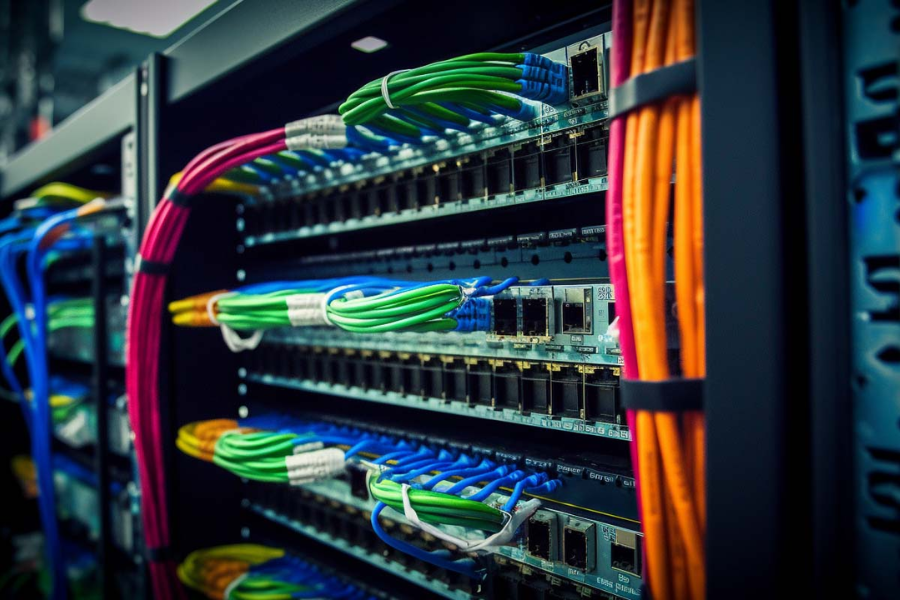
Cable management is another vital aspect of installation. Organized cable routing through trays, conduits, and racks prevents physical damage and reduces clutter in the network cabinet. Velcro straps are preferred over plastic ties, as they prevent over-tightening, which could deform the cable and impact performance. Furthermore, environmental conditions such as temperature, humidity, and air circulation should be monitored, as extreme conditions may affect the cable’s insulation and long-term reliability.
After installation, testing and certification using professional equipment are necessary to verify compliance with Cat6 performance standards. These tests typically measure parameters such as insertion loss, return loss, crosstalk, and propagation delay. Passing these tests ensures that the cabling system is ready to support the intended network speed and applications.
Future-Proofing with Cat6
Although newer standards such as Cat6a and Cat7 offer even higher frequencies and data rates, Cat6 remains a smart and future-ready investment for most office environments. Its ability to support up to 10G Ethernet over shorter distances makes it suitable for current and near-future applications, including video conferencing systems, cloud-based workflows, and multi-gigabit access points. For small to medium-sized offices that do not require extensive 10G coverage, Cat6 provides a cost-effective balance between performance and price.
Furthermore, the compatibility of Cat6 cabling with Power over Ethernet (PoE) enables it to power devices such as IP phones, wireless access points, and security cameras directly through the network cable. This simplifies installation and reduces the need for additional power outlets, creating a cleaner and more energy-efficient office layout. As smart offices continue to evolve, Cat6 cabling will remain a reliable backbone for integrating IoT devices and automation systems.
Conclusion
Cat6 cabling continues to be a cornerstone of modern office networking due to its high performance, scalability, and adaptability. It provides a strong foundation for today’s gigabit networks while preparing businesses for tomorrow’s higher-speed demands. A properly designed and installed Cat6 cabling system ensures reliable data transmission, minimizes downtime, and optimizes network efficiency. As technology advances and digital transformation accelerates, investing in a robust Cat6 infrastructure remains one of the most practical and forward-looking decisions an organization can make for its connectivity needs.