A 2022. évi téli paralimpia megnyitó ceremóniája: On March 4, 2022, Beijing’s Bird’s Nest stadium became a stage for something extraordinary: the opening ceremony of the 2022 Winter Paralympics, known in Hungarian as a 2022. évi téli paralimpia megnyitó ceremóniája. The stadium was alive with excitement as athletes from across the globe prepared to make history. But this event was more than just a formal start to a sports competition—it was a celebration of resilience, inclusion, and the human spirit.
Opening ceremonies are the heartbeat of any Paralympic Games. They show the world who the athletes are, why their stories matter, and what the Games stand for. For viewers at home, it’s the first glimpse of what makes these athletes extraordinary—people pushing past challenges, uniting across cultures, and inspiring millions to believe in the impossible. From athletes rolling in on wheelchairs to performers using sign language in dance, every moment of the ceremony radiated hope and determination.
In many ways, watching the opening ceremony is like being part of a shared story where everyone’s journey matters. Even if you’re not a sports fan, the courage, creativity, and passion on display are impossible to ignore. The night reminded us that inclusion, perseverance, and celebration of life aren’t just ideals—they can be experienced in real-time.
The Venue: Beijing National Stadium (Bird’s Nest)
Iconic Design and Global Significance
The Bird’s Nest, or Beijing National Stadium, isn’t just a place to hold events—it’s a symbol of innovation, culture, and global recognition. Built for the 2008 Summer Olympics, it has hosted countless historic moments, and returning it to the world stage for the Paralympics carried both prestige and symbolism. Its steel lattice design is instantly recognizable, giving the stadium a modern yet artistic feel. But beyond aesthetics, the design amplifies every performance, allowing audiences to see intricate choreography, light effects, and parade formations from any seat or broadcast angle.
Large-scale stadiums can sometimes feel impersonal, but the Bird’s Nest manages to balance grandeur with intimacy. Performers are visible and every movement reads clearly on camera. This is crucial for a Paralympic audience, where visibility and clarity matter, both for the athletes performing and the viewers watching at home. The stadium’s vastness also allows for spectacular drone displays, synchronized lighting, and aerial choreography that transform the opening ceremony into a visual storybook.
Hosting the Paralympics in a venue already known worldwide signals serious recognition of the Games’ importance. It’s a reminder that adaptive sports deserve the same stage, the same creativity, and the same global attention as any other major international competition
Accessibility and Athlete-Friendly Features
Accessibility was more than a checkmark at the Bird’s Nest—it was woven into every detail of the stadium. Ramps, elevators, and specially designed seating ensured that athletes, staff, and spectators with disabilities could move freely and comfortably. This meant that performers using wheelchairs or prosthetics weren’t limited by logistics—they could shine in the spotlight just like anyone else.
The stadium also focused on clarity and readability. Large formations, synchronized lighting, and simple visual cues made the performances easy to follow, whether you were in the front row or watching on TV from halfway around the world. Even subtle details, like wide pathways for wheelchair access and stage layouts that allowed all performers to be seen, contributed to an inclusive experience.
Beyond practical access, the Bird’s Nest sent a symbolic message: the Paralympics deserve a venue that respects and elevates every participant. Seeing athletes fully integrated into every performance reinforced that inclusion isn’t just a policy—it’s central to the Games. It’s a reminder that when spaces are designed thoughtfully, everyone benefits, and every story can be shared equally.
Theme and Artistic Vision: “Blossoming of Life”
Meaning Behind the Theme
The ceremony’s theme, “Blossoming of Life,” was a perfect metaphor for the Paralympic spirit. It represents resilience, growth, and renewal—ideas that resonate deeply with athletes who have faced challenges and refused to let them define their potential. The theme wasn’t just a tagline; it guided every performance, every light pattern, and every musical cue. It reminded viewers that even in difficult circumstances, life finds ways to thrive.
For example, snowflakes floating above the stadium symbolized uniqueness and diversity, yet they came together to form a single large snowflake, reflecting global unity. Athletes entering in wheelchairs or with prosthetics demonstrated the theme in motion—individual lives blossoming through courage and determination. In a way, the ceremony itself became a metaphor for the Paralympics: each athlete faces winter’s challenges but grows into a season of achievement.
By keeping the message simple and universal, the theme was accessible to everyone. Whether a child watching at home or an international viewer unfamiliar with Paralympic sports, the meaning was clear: adversity can be transformed into strength, and diversity can be celebrated as beauty.
Storytelling Through Art and Technology
The creative team used technology and artistry to bring the theme to life. LED screens displayed snowflakes that floated across the stadium, drones traced patterns in the sky, and choreographed movements on the field mirrored growth and unity. Music built tension and released it in moments of triumph, creating a story that viewers could feel as well as see.
The beauty of this storytelling is that it didn’t rely on spoken words alone. Visual metaphors made the message universal. When snowflakes representing individual countries merged into one, it conveyed a sense of global connection without needing translation. Even subtle lighting shifts, synchronized with music and performer movements, reinforced the narrative arc of struggle, perseverance, and eventual blossoming.
Watching it is like reading a novel with pictures, music, and live emotion all at once—it communicates the story instantly, and it sticks with viewers long after the ceremony ends.
Director’s Vision
Zhang Yimou, the celebrated director of the 2008 Olympic ceremonies, brought mastery of scale and symbolism to this event. His approach was clear: keep the story simple, visually consistent, and emotionally powerful. Instead of complex plots, he used recurring motifs, lighting cues, and formations to reinforce the “Blossoming of Life” theme.
His vision also prioritized inclusivity. Every performer, regardless of ability, was positioned to be visible and central to the storytelling. This choice transformed the ceremony from a display of spectacle to a human-centered narrative. The choreography, combined with technological elements, ensured that moments were repeatable and memorable—whether captured on social media or broadcast around the world.
By directing the ceremony this way, Zhang demonstrated how creative vision can amplify the message of the Paralympics. Instead of letting scale or spectacle overshadow the athletes, he made them the heart of the story.
Countdown and Opening Sequence
The ceremony kicked off with a dramatic countdown, immediately setting the tone and building excitement. Lights dimmed, music swelled, and performers activated the stadium floor, signaling the official start. The opening sequence wasn’t just ceremonial—it gave viewers instant context for what was to come.
High-contrast lighting and synchronized movements helped viewers follow the scale and energy, whether watching live or on replay. The sequence transitioned seamlessly into the Parade of Nations, keeping momentum without dead air. This pacing is critical because opening ceremonies often face the challenge of engaging a global audience with diverse attention spans.
Even simple elements, like the rising music or lighting cues, served as storytelling devices. They hinted at the theme of “Blossoming of Life,” signaling growth, unity, and hope from the first moments. By the time the athletes entered the stadium, the energy was electric, and viewers felt immediately connected to the celebration.
Setting the Tone
The combination of lighting, music, and choreography created a sense of anticipation. Spotlights traced performers as they moved, while drumbeats and orchestral swells built suspense. Every cue was calculated to draw attention to the stadium’s center, ensuring the audience focused on key moments.
The choreography mirrored the ceremony’s central theme. Performers moved in ways that suggested growth and unity, foreshadowing later performances. Even subtle cues, like coordinated gestures or formations, helped signal the narrative arc of overcoming challenges and celebrating life.
By the end of the sequence, the audience—both in the stadium and at home—was primed for the Parade of Nations and the stories each athlete would bring. This careful orchestration made the event accessible and emotionally engaging for all viewers.
Parade of Nations: Celebrating Athletes and Cultures
Unique Parade Order
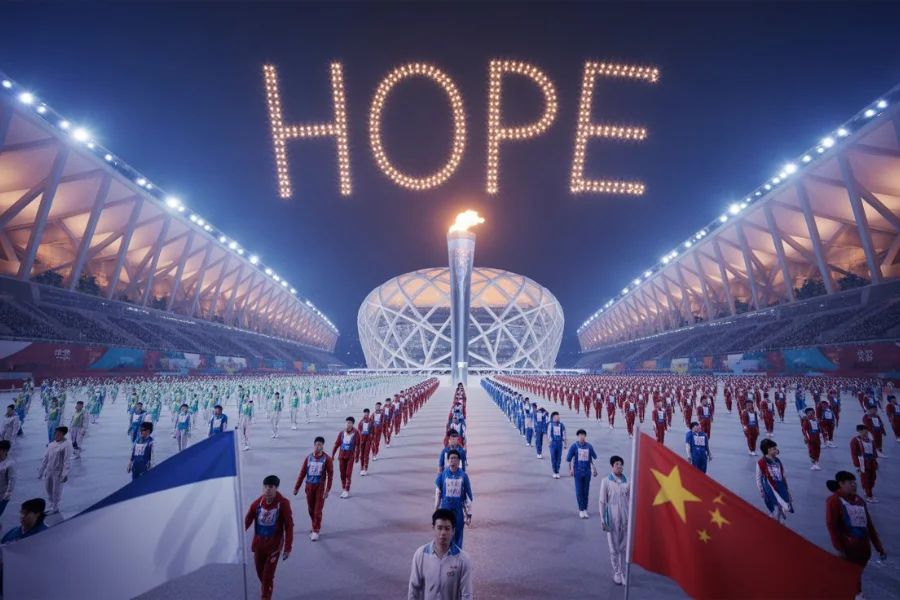
Unlike typical international events, the Parade of Nations in Beijing followed a stroke-count order based on Chinese characters, rather than alphabetical order. This unique approach gave the parade a cultural twist, surprising viewers and highlighting the host country’s heritage.
For example, New Zealand entered before Mexico because of the number of strokes in the Chinese character for its name. Italy, host of the next Winter Paralympics, entered second-to-last, while China proudly closed the parade. This ordering reinforced the idea that the ceremony wasn’t just a formality—it was a cultural and symbolic statement.
Athlete Representation
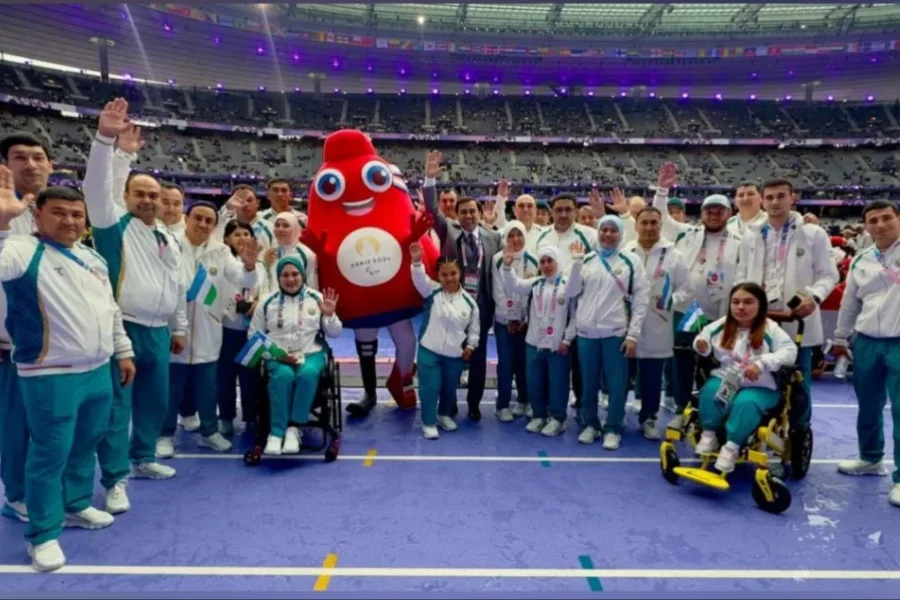
The parade highlighted athletes of all abilities. Some rolled in wheelchairs, others walked with prosthetics, and many displayed pride and joy as they waved to cheering crowds. It was impossible not to notice the courage and determination behind each step.
Every entrance reminded viewers that the Paralympics are not about limitation—they’re about achievement, resilience, and individuality. Seeing athletes fully represented on such a grand stage made the values of inclusion and empowerment tangible.
Cultural Significance
The Parade of Nations also reflected global diversity and cultural richness. Teams wore national colors, displayed traditional attire, and carried symbols of heritage. This blend of athletic pride and cultural identity reminded audiences that the Paralympics celebrate humanity in all its forms, connecting sportsmanship with cultural expression.
Musical Performances and Cultural Highlights
Emotional Performances
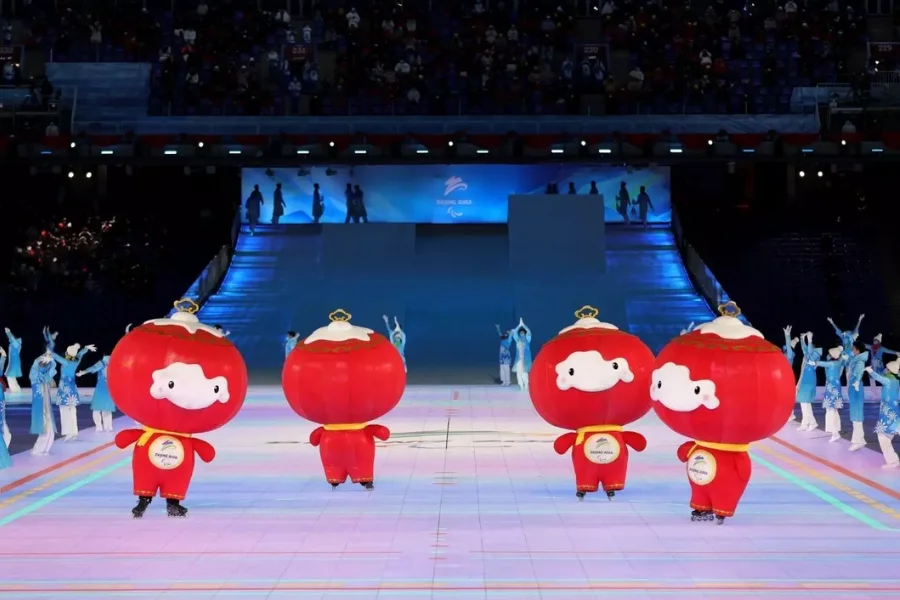
The performances during the opening ceremony were designed to touch hearts as much as they impressed eyes. Dance routines included performers of all abilities, with sign language incorporated into choreography, making each act inclusive for deaf and hard-of-hearing viewers. Every step, turn, and gesture told a story of perseverance and resilience, mirroring the journeys of the athletes themselves.
Choirs, orchestras, and solo performers provided emotional depth, blending traditional music with modern arrangements. One moment showed visually impaired singers performing a cappella, creating chills across the stadium. These performances weren’t just entertainment—they conveyed the ceremony’s core message of hope, unity, and human spirit, showing that the Paralympics celebrate courage in every form.
Technology and Visual Effects
Technology amplified the artistic impact. LED screens, drones, and light projections created visual spectacles, like snowflakes floating across the stadium and converging to symbolize global unity. These effects were synchronized with music and performers, so every movement felt purposeful and meaningful.
Unlike over-the-top gimmicks, the technology reinforced the ceremony’s narrative. Viewers could immediately grasp the symbolism of growth, collaboration, and resilience. Even from home, the visuals told a story that words alone could not.
Blending Tradition and Modernity
The ceremony honored Chinese culture while embracing a global audience. Traditional dances, colorful costumes, and calligraphy merged seamlessly with modern choreography and symphonic music. This fusion celebrated heritage while keeping performances accessible and engaging for viewers worldwide.
Torch Relay and Lighting of the Paralympic Flame
Torchbearers and Symbolism
His journey symbolized triumph over adversity and served as a reminder that every athlete’s story matters.
The relay itself traveled through scenic landscapes, connecting communities and reinforcing the values of hope, determination, and inclusion. Torchbearers became living symbols of courage, inspiring viewers to reflect on their own challenges and resilience.
The Snowflake Cauldron
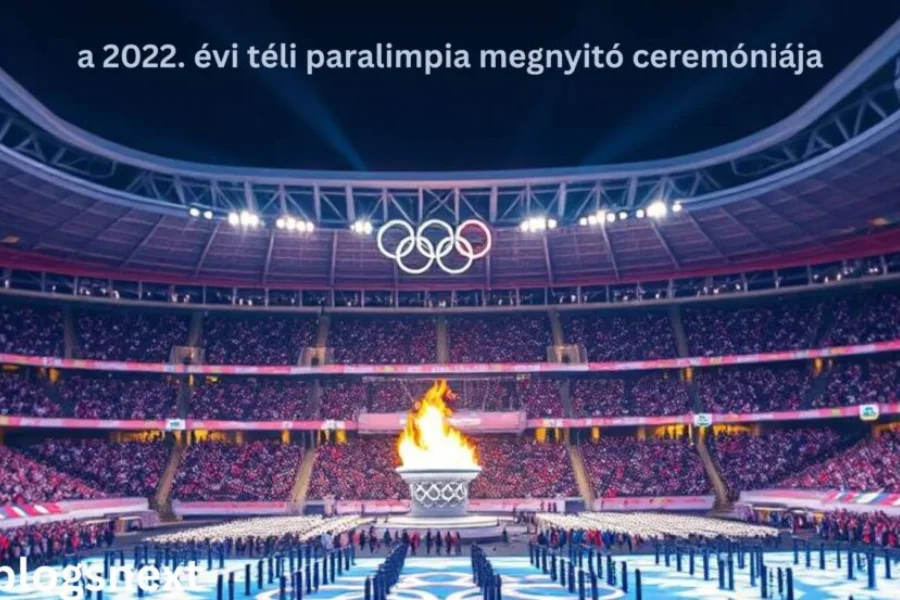
The Paralympic flame was placed into a giant snowflake-shaped cauldron, composed of panels representing each participating nation. This visual created an instant symbol of unity, showing that the world’s nations can come together in support of inclusion and excellence.
The snowflake also tied to the winter theme, creating a memorable image that viewers would recall for years. It was both a literal and figurative representation of diversity coming together as one.
The Moment’s Emotional Impact
When the flame ignited, the stadium erupted. Crowds cheered, cameras captured the awe of athletes, and viewers worldwide shared the moment on social media. The scene was more than ceremonial; it was emotionally resonant, inspiring hope and a sense of global connection.
Speeches and Messages of Hope
Andrew Parsons’ Speech
Andrew Parsons, President of the International Paralympic Committee, delivered a powerful, globally resonant message. He called for unity, peace, and the triumph of dialogue over conflict, a poignant reminder during a time of global tensions. Parsons highlighted that athletes compete with each other, not against the world, reflecting a metaphor for cooperation beyond sports.
His speech reminded viewers that the Paralympics are more than games—they are a platform for advocacy, visibility, and positive change.
Themes of Inspiration
Throughout the speech, themes of resilience, perseverance, and inclusion echoed. Parsons emphasized that disability does not define ability and that success comes from dedication, teamwork, and self-belief. By tying these messages to real athletes’ stories, the words resonated far beyond the stadium walls.
Political and Social Context
The ceremony also reflected the global political climate. Days before, Russia and Belarus were banned due to conflict, emphasizing the Paralympics’ stance on fairness and justice. Parsons’ words reinforced that sports can be a moral and ethical platform, reminding the world that global unity is possible even in times of tension.
Accessibility, Inclusion, and Representation
The ceremony put inclusion front and center. Performers of all abilities participated fully, integrating wheelchairs, prosthetics, and sign language. Signage and choreography ensured visibility, showing audiences that accessibility is a natural, central part of the event rather than an add-on.
This representation matters. It sends the message that the Paralympics aren’t just for athletes—they’re a celebration of every human’s potential, inspiring viewers with or without disabilities. It also sets standards for future events in terms of accessibility, visibility, and inclusivity.
Memorable Moments and Highlights
Drone shows, snowflake projections, and choreographed performances created visually stunning moments. Stories of individual athletes, like Li Duan carrying the flame, were highlighted to inspire and humanize the spectacle.
Other unforgettable moments included sign-language-integrated performances, synchronized light displays, and emotional reactions from athletes entering the stadium. These small stories, when combined, left lasting emotional impact on viewers, making the ceremony more than just a broadcast—it became a shared experience.
Global Reception and Media Coverage
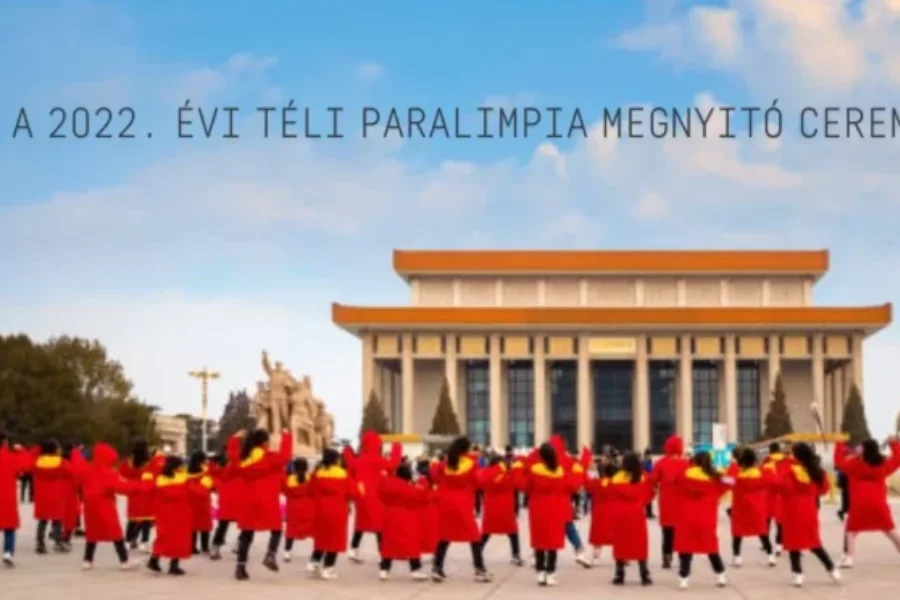
International media and social platforms widely covered the ceremony. Andrew Parsons’ speech and the snowflake cauldron became viral highlights, shared across news outlets and social media. The combination of stunning visuals, inclusive representation, and heartfelt messages captured attention globally, reinforcing the Paralympics’ visibility.
Viewers praised the ceremony’s clarity and energy, noting how it made the stories of athletes understandable and relatable. Memorable images like the flame, the snowflake cauldron, and the Bird’s Nest stadium spread rapidly, creating shared memories across continents.
Legacy and Impact of the Ceremony
The ceremony left a lasting impression. Beijing became the first city to host both Summer (2008) and Winter (2022) Paralympics. Its accessible design, inclusive performances, and memorable imagery set a new benchmark for future Games.
It highlighted initiatives like WeThe15, emphasizing representation for people with disabilities. Beyond sports, the ceremony inspired social conversation about inclusion, equality, and global cooperation, showing that well-executed events can have broad cultural and social influence.
Final Words
The 2022 Winter Paralympics opening ceremony was more than an event—it was a celebration of courage, inclusion, and human potential. From the Bird’s Nest stadium to the snowflake cauldron, from athletes’ stories to Parsons’ speech, every moment highlighted unity and resilience.
The ceremony reminded us that challenges can be overcome, diversity is a strength, and inspiration comes from real people facing real obstacles. Watching these athletes and performers shine encourages all of us to push our own limits and celebrate every small victory.
Stay updated and enjoy every chapter with Manga Buddy, your go-to source for all things manga.