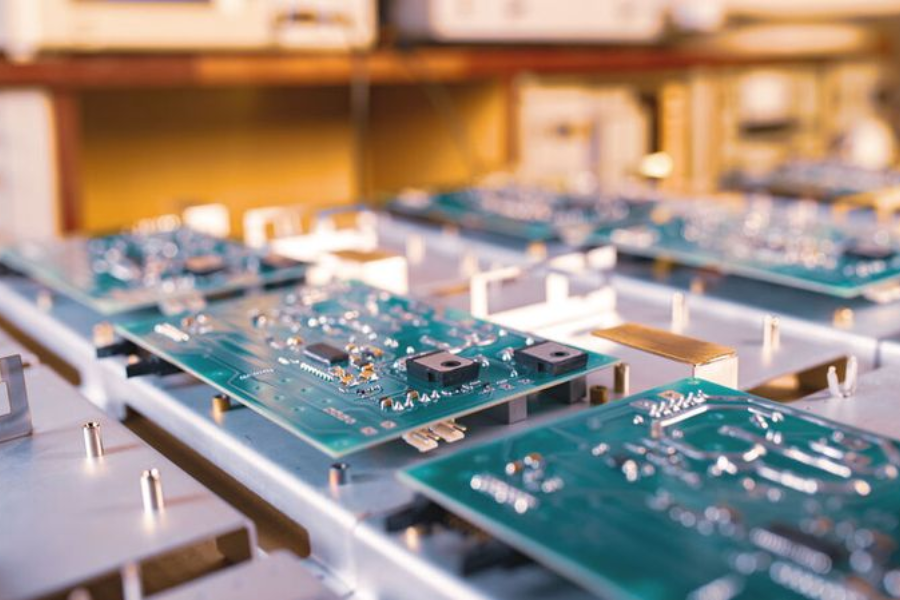
As electronic devices continue to evolve with higher power density and performance demands, managing heat generation has become one of the biggest challenges in circuit design. One effective solution that engineers increasingly rely on is the Aluminum PCB—also known as a metal core PCB or aluminium-clad circuit board. These boards offer exceptional thermal conductivity and mechanical strength, making them a perfect fit for high-power and heat-sensitive applications.
What Is an Aluminum PCB?
An Aluminum PCB is a special type of printed circuit board built with a metal substrate, typically aluminium, instead of the conventional fiberglass (FR4) base. The aluminium core acts as an integrated heat sink, transferring heat away from critical components much more efficiently than traditional materials.
A standard Aluminum PCB features three primary layers:
- Copper Layer: The conductive layer responsible for carrying electrical signals, generally between 1 to 3 oz thick.
- Dielectric Layer: A thermally conductive but electrically insulating layer that separates the copper from the metal base.
- Aluminum Base Layer: A solid metallic foundation that provides both heat dissipation and mechanical support.
This structure makes aluminium-based PCBs ideal for systems that must handle heavy electrical loads, maintain stability, and operate under high temperatures.
Key Benefits of Using Aluminum PCBs
Aluminum PCBs outperform traditional boards in multiple ways. Below are their standout advantages:
1. Superior Thermal Performance
The aluminium core quickly transfers heat away from high-power components, preventing hot spots and improving overall system reliability. This ensures components operate within safe temperature limits, significantly extending their service life.
2. High Mechanical Strength
Aluminium is not only lightweight but also exceptionally durable. It resists vibration, mechanical stress, and harsh environmental conditions—ideal for rugged applications such as automotive and industrial electronics.
3. Eco-Friendly and Lightweight
Aluminium is fully recyclable and much lighter than other metals, which makes transportation and assembly easier while supporting sustainable manufacturing practices.
4. Better Electrical Stability
With lower operating temperatures, the board minimizes signal distortion and enhances performance consistency, especially in high-frequency or power circuits.
5. Cost-Effective Cooling Solution
Aluminum PCBs often eliminate the need for separate heat sinks or cooling components, reducing both manufacturing costs and product complexity.
Common Applications of Aluminum PCBs
Due to their excellent heat management and reliability, aluminum PCBs are widely used in several high-performance sectors:
LED Lighting
High-intensity LEDs produce significant heat during operation. Aluminum PCBs help maintain stable brightness and prolong LED lifespan by efficiently dissipating thermal energy.
Power Electronics
Devices such as converters, regulators, and power supply modules rely on metal-core boards to manage heavy current and heat without affecting performance.
Automotive Systems
Aluminum PCBs are extensively used in headlights, brake lights, and control modules where vibration resistance and heat management are crucial.
Telecommunications Equipment
In networking devices like routers, base stations, and amplifiers, these PCBs ensure consistent signal performance even under continuous operation.
Industrial and Consumer Electronics
Motor controllers, sensors, and heavy-duty drivers often utilize aluminium boards for their durability, thermal stability, and compact design potential.
Different Types of Aluminum PCBs
Depending on the complexity and purpose, Aluminum PCBs are available in several configurations:
- Single-Layer Aluminum PCB:
The most basic and cost-effective version, ideal for simple circuits such as LED modules and consumer electronics. - Double-Layer Aluminum PCB:
Contains two conductive layers for more complex circuitry and improved routing flexibility. - Multilayer Aluminum PCB:
Used in advanced systems, these incorporate multiple dielectric and copper layers for higher functionality and power capacity. - Hybrid Aluminum PCB:
Combines aluminium with FR4 or other materials to achieve a balance between heat management and design flexibility.
Design Considerations for Aluminum PCBs
Designing a high-performance Aluminum PCB requires careful consideration of several key factors:
- Dielectric Thickness: Must balance insulation with efficient thermal transfer.
- Copper Weight: Heavier copper layers improve current handling but may increase cost and thermal load.
- Surface Finish: Options like ENIG, HASL, or OSP protect the copper surface and enhance soldering quality.
- Precision Machining: Because aluminium is harder than FR4, advanced drilling and etching techniques are essential for accurate manufacturing.
Selecting the right combination of materials, finishes, and manufacturing parameters ensures that the board meets both thermal and electrical performance goals.
Why Aluminum PCBs Are in High Demand
With the global trend toward miniaturized, energy-efficient, and high-performance devices, Aluminum PCBs have become increasingly popular across multiple industries. Their ability to combine heat dissipation, mechanical stability, and electrical reliability makes them an ideal solution for modern electronics—from LED lights to electric vehicles and renewable energy systems.
Conclusion
The Aluminum PCB represents a major step forward in electronic circuit technology. By combining effective heat management, superior mechanical strength, and cost efficiency, it enables modern devices to operate safely and reliably under demanding conditions.
For manufacturers seeking premium-quality boards, partnering with professional PCB assembly services in China is a strategic choice. China’s PCB industry offers advanced production capabilities, strict quality control, and quick turnaround times. Collaborating with a reputable Chinese PCB manufacturer ensures not only exceptional performance but also competitive pricing and global-standard technology—keeping your products ahead in today’s fast-evolving electronics landscape.