In the late 1980s, the world was stunned when billionaire heiress Doris Duke adopted a 35-year-old woman named Chandi Heffner. The news made headlines and sparked endless speculation. People wondered how a reclusive tobacco heiress could suddenly decide to adopt an adult woman she’d known for only a few years.
Doris Duke, one of America’s richest women, had spent most of her life surrounded by art, luxury, and loss. After her only child passed away soon after birth, she lived with a quiet sadness. When she met Chandi Heffner, a spiritual woman living in Hawaii, something changed. Friends said Duke saw in Heffner the daughter she had always wanted.
Their bond formed quickly. Chandi brought peace, laughter, and a sense of renewal into Duke’s world. The adoption wasn’t just a legal decision. It was emotional. To Duke, it was a way to fill a lifelong void. To Heffner, it was a chance to share compassion and purpose with someone who longed for connection.
For a brief moment, they seemed inseparable. Their relationship looked like a mix of friendship, family, and spiritual trust. But few could have guessed that the story would soon turn into one of America’s most talked-about inheritance battles.
Who Is Chandi Heffner? A Quiet Life Before Fame
Before the headlines and legal drama, Chandi Heffner lived a simple, spiritual life far from fame. Born and raised in Baltimore, Maryland, she came from a well-known family but often felt out of place in high society. She wanted more than money or reputation. She wanted meaning.
In her twenties, she began a journey of self-discovery that led her around the world. She studied philosophy, explored Eastern religions, and eventually joined the Hare Krishna movement. It was there that she found a deep sense of peace and purpose. Friends remember her as kind, grounded, and devoted to living mindfully.
Chandi later moved to Hawaii, drawn by its calm energy and connection to nature. She built a quiet life surrounded by animals, gardens, and meditation. She was known to care deeply for people and creatures alike, often rescuing stray animals or helping those in need without asking for attention.
This peaceful lifestyle set the stage for the moment that would change everything. When she met Doris Duke, two very different worlds collided — one of immense wealth and another of spiritual simplicity.
A Fateful Meeting at Shangri La
Their paths crossed in the mid-1980s at Doris Duke’s famous Hawaiian estate, Shangri La. The mansion overlooked the ocean and was filled with Islamic art, rare antiques, and memories of a lonely heiress searching for peace. It was here that Chandi Heffner entered Duke’s world in the most unexpected way.
Friends say their meeting felt almost destined. Chandi, known for her calm energy and spiritual depth, reminded Duke of her lost daughter. Some even said Duke believed Chandi was a reincarnation of her child who had died decades earlier. Whether or not that’s true, their connection was instant and emotional.
Chandi often joined Duke for tea, garden walks, and long talks about life, faith, and compassion. Duke admired her simplicity and wisdom. Chandi saw in Duke a woman burdened by wealth but starved for warmth. Within months, their friendship deepened into something more profound — a bond neither of them could easily explain.
That bond would soon lead to one of the most unusual adoptions in American history, setting the stage for both love and conflict.
Adopted at 35: The Decision That Shocked High Society
In 1988, news broke that Doris Duke had legally adopted Chandi Heffner. The world couldn’t believe it. A 75-year-old billionaire had chosen a 35-year-old woman as her daughter and heir. Overnight, their private relationship turned into public fascination.
Adult adoptions weren’t new, but they were rare in high society. Legally, it meant Chandi became Duke’s daughter with full inheritance rights. To Duke, it was an act of love, not money. She told friends that Chandi filled the emotional emptiness left by her daughter’s death years earlier. The adoption papers were signed quietly in Hawaii, far from the gossip of New York.
High society reacted with disbelief. Some said Duke had lost her mind. Others whispered that Heffner had manipulated her. But those who saw them together described genuine affection. Duke often called Chandi her “spiritual twin,” while Chandi treated her with gentle respect, helping her meditate and care for her health.
The adoption also reflected Duke’s lifelong search for meaning. She had all the money in the world but wanted a family that understood her heart. For a brief time, she believed she had finally found it.
Life Inside Doris Duke’s World
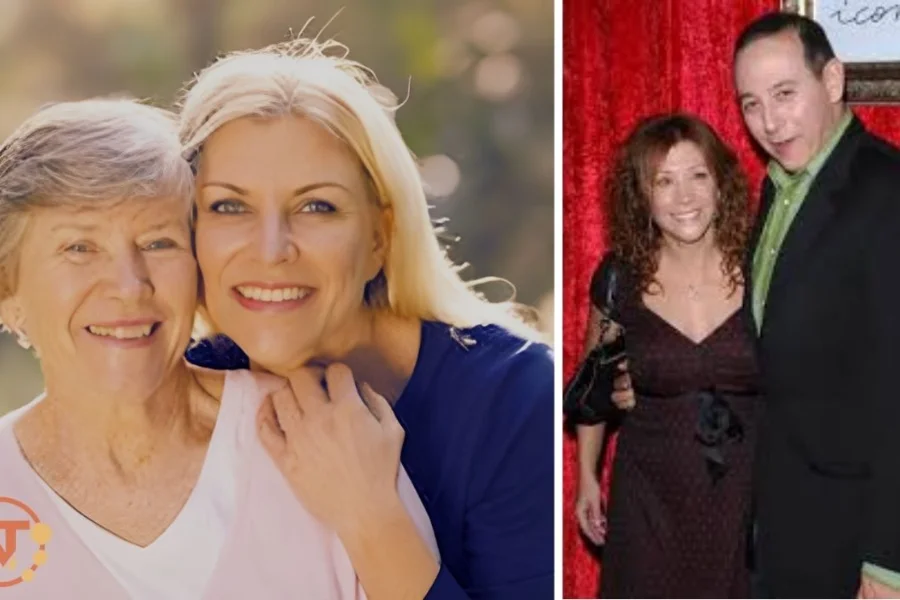
After the adoption, Chandi Heffner moved fully into Doris Duke’s circle of privilege and mystery. Life at Shangri La was unlike anything most people could imagine. The mansion was filled with priceless art, hand-carved doors from India, and rare Persian tiles. Every corner reflected Duke’s love for beauty and culture.
Chandi adapted easily to this world but never lost her grounded spirit. She spent her mornings meditating in the gardens and her afternoons helping Duke with daily routines. Together, they practiced yoga, fed the peacocks, and discussed spirituality over long dinners. Duke trusted her deeply and relied on her for emotional support more than anyone else around her.
Despite the luxury, their days weren’t about wealth. They shared quiet routines, laughter, and a sense of purpose. Chandi encouraged Duke to focus on compassion and healing rather than business and estate conflicts. For a while, the heiress seemed truly at peace.
Still, whispers began to spread. Some of Duke’s advisers and old friends didn’t trust Chandi’s influence. They worried she was taking over the heiress’s life. That tension would soon grow into the storm that changed everything.
From Daughter to Stranger – The Sudden Fallout
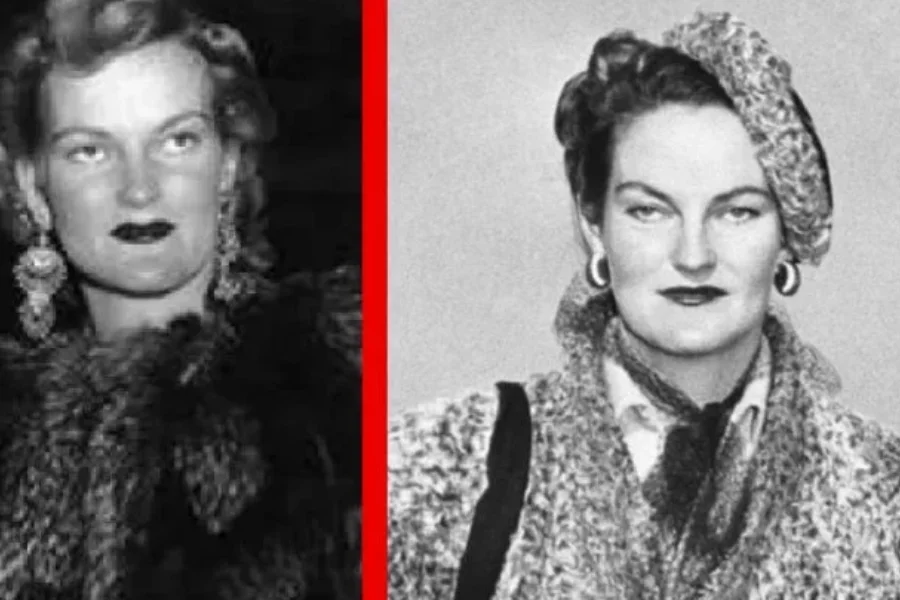
By the early 1990s, the bond between Doris Duke and Chandi Heffner began to unravel. What once looked like a mother-daughter relationship turned into a bitter silence filled with suspicion. No one knew exactly what caused the rift, but those close to them said it started with trust — or rather, the loss of it.
Duke’s advisers and lawyers allegedly warned her that Chandi was gaining too much control. Rumors spread that Chandi had spent lavishly or influenced Duke’s financial decisions. Others say Duke’s declining health and growing paranoia made her push everyone away, even those who cared for her. The truth, like their relationship, was complex.
In 1993, Doris Duke abruptly cut ties with Chandi. She revoked the adoption, rewrote her will, and removed Heffner from her estate. Just like that, the woman once called her “spiritual daughter” was erased from her legal and emotional life. Duke’s staff blocked contact, and Shangri La’s gates closed to Chandi forever.
The media painted Chandi as either a manipulator or a victim, but she remained largely silent. Friends said she was devastated yet dignified — she didn’t fight back in public, nor did she exploit her past connection for fame.
The Legal Storm After Doris Duke’s Death
When Doris Duke passed away in 1993, the quiet tension between her and Chandi Heffner erupted into a full legal battle. The adoption revocation and changes in Duke’s will left Chandi in a complicated position. Supporters argued she still deserved recognition as a daughter, while opponents pointed to the revised documents to deny her claim.
The estate was vast, worth hundreds of millions. Lawyers for Chandi pointed to charitable contributions, spiritual guidance, and the unique bond she shared with Duke as grounds for a fair settlement. The case drew attention not only because of the money but also because adult adoption law was rarely tested in such high-profile circumstances. For reference, legal experts have explained that adult adoptions can be revoked or contested depending on intent and documentation.
In the end, Chandi reached a settlement of approximately $65 million. While she didn’t regain full familial recognition, the settlement acknowledged her role in Duke’s later life. Many viewed this as a compromise between legal correctness and moral responsibility.
This episode also highlighted how wealth, love, and legal strategy intersect. Chandi’s experience became a case study in adult adoption disputes and estate law, showing how even personal relationships can become legally complex when money and fame are involved.
Reinvention in Hawaii: Philanthropy and Compassion

After the legal battles settled, Chandi Heffner chose a path of quiet purpose. She moved to Hawaii, a place that had long inspired her spiritually. There, she focused on giving back rather than public attention. Her work centered on animal welfare, community support, and education in rural areas of India and the U.S.
Chandi founded the CDHIF USA, a foundation aimed at helping vulnerable populations and supporting cultural preservation. Through her efforts, she provided funding for local shelters, educational programs, and environmental initiatives. She avoided media publicity, preferring her work to speak for itself. This approach helped her rebuild a life grounded in personal values rather than wealth or notoriety.
Her story shows that reinvention is possible at any stage. By redirecting her energy toward meaningful projects, Chandi transformed public perception from scandal to respect. Meanwhile, she also maintained her spiritual practices, blending her Hare Krishna roots with Hawaiian cultural influences. Visitors to her programs often note her humility and commitment, emphasizing action over recognition.
Public Image Over Time – From Scandal to Serenity
Chandi Heffner’s public image has shifted dramatically over the decades. After the media frenzy surrounding her adult adoption and the legal disputes over Doris Duke’s estate, she was often portrayed as a mysterious or controversial figure. Tabloids and gossip columns focused on the drama rather than her personal growth or philanthropic work.
Over time, however, the narrative began to change. Journalists and biographers started highlighting her humanitarian efforts in Hawaii and India. Her work with CDHIF USA, animal welfare projects, and community programs painted her in a more positive light. Social media and online archives also helped provide context, allowing people to see beyond the sensational headlines.
Chandi’s approach to public attention played a role too. She rarely sought interviews or public appearances. Instead, she let her actions speak for her. By staying consistent in her values and remaining private, she earned respect and curiosity rather than criticism. Analysts note that maintaining discretion after a public controversy can help rebuild reputation.
Her story shows that image is not fixed. With time, purposeful work, and integrity, even someone once caught in scandal can be seen with admiration.
Chandi Heffner Today (2025)
Today, Chandi Heffner lives a quiet, meaningful life in Hawaii. She continues her spiritual journey and philanthropy, focusing on animal welfare, community outreach, and international humanitarian projects. Her foundation, CDHIF USA, supports initiatives in India and the U.S., reflecting her lifelong commitment to service.
Despite her wealth and high-profile past, Chandi keeps a low public profile. She avoids social media and rarely gives interviews, choosing instead to let her work define her. This approach has helped her maintain privacy and authenticity, allowing people to admire her for her contributions rather than scandals.
Her net worth, influenced by her inheritance from Doris Duke, has enabled her to fund numerous projects without seeking attention. Chandi’s life today illustrates the balance between personal fulfillment, responsible wealth management, and giving back to society.
For those inspired by her journey, a key takeaway is the importance of staying true to your values, even under public scrutiny. Chandi’s story reminds us that identity, purpose, and impact matter more than fame or public approval.
Legacy and Lessons
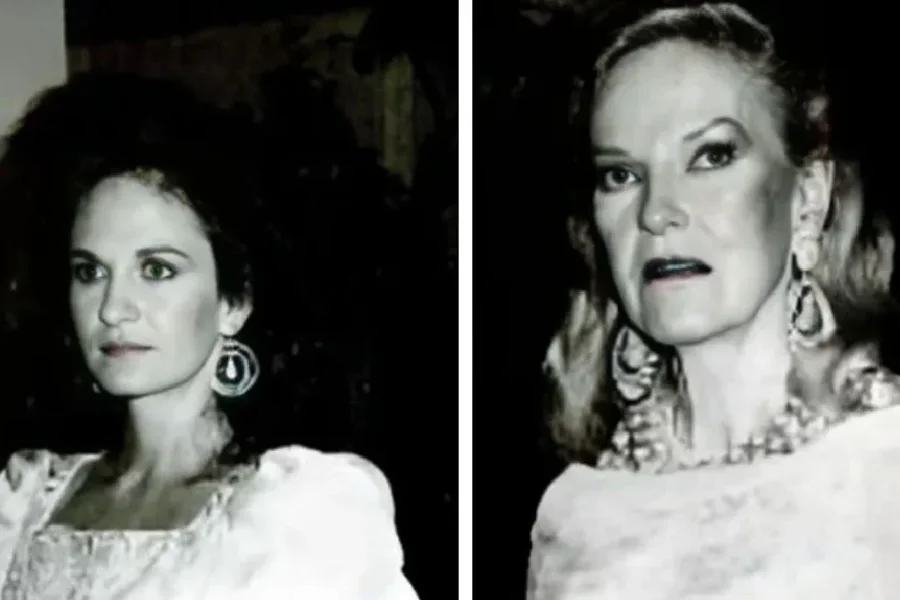
Chandi Heffner’s life teaches us that wealth and fame are fleeting, but purpose and compassion endure. Her journey from a spiritual seeker to Doris Duke’s adopted daughter and then a quiet philanthropist shows how resilience, patience, and authenticity shape a meaningful life.
She faced public scrutiny, legal battles, and personal heartbreak. Yet, she transformed these challenges into opportunities to give back. Her foundation work, animal welfare projects, and community outreach highlight how one can turn privilege into positive change. Chandi’s story also underscores the importance of understanding the deeper meaning of family, love, and identity beyond social titles or inheritance.
For readers, her life offers practical lessons:
- Focus on values over recognition.
- Use resources to make tangible positive impact.
- Stay grounded during public or personal turbulence.
Chandi Heffner proves that the quiet, consistent pursuit of purpose leaves a lasting impression far stronger than fleeting fame or controversy.
Also Read: Sherry Aon:
Final Words
Chandi Heffner’s life is a remarkable example of resilience, authenticity, and purpose. From her early spiritual journey to her surprising adoption by Doris Duke, she has navigated public attention with grace and dignity. Despite media scrutiny and legal battles, she chose privacy over fame, showing that true strength lies in living according to your values. Her work through CDHIF USA and other philanthropic efforts reflects a commitment to compassion, service, and meaningful impact. Chandi’s story reminds us that family and connection are not always defined by blood or titles, but by love, trust, and shared purpose. Today, she continues to live quietly, using her resources to help others while maintaining her inner peace. Her journey proves that wealth and attention are temporary, but integrity, empathy, and quiet dedication leave lasting influence. Chandi Heffner teaches us that living with purpose, humility, and balance can create a legacy far more enduring than fame or fortune.
Read More: Theodora Holmes