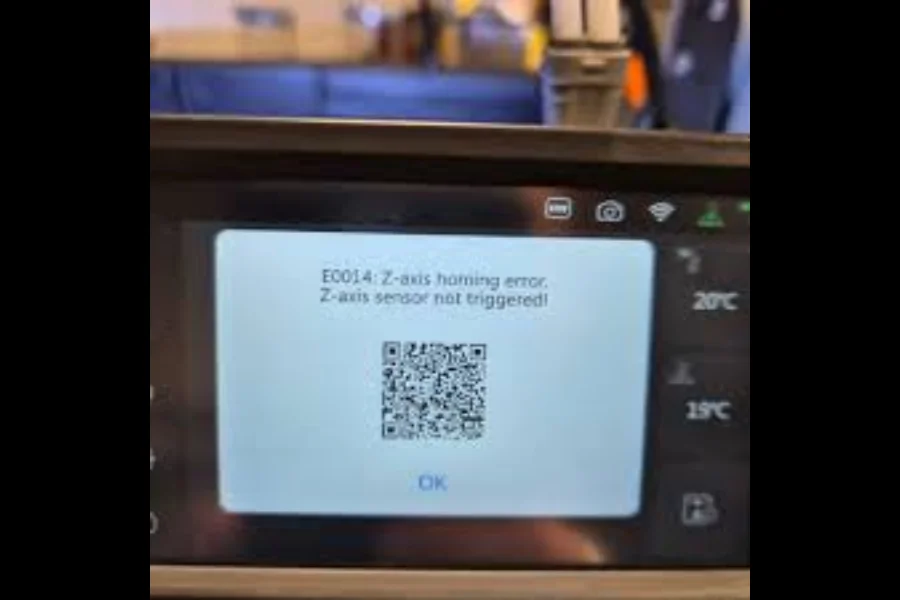
If you’ve ever seen the homevollhazz1000 fix code pop up, it can be confusing and a little stressful. You might wonder, “Did I break something? Is it ruined?” The truth is, this error code is usually a signal from your device that something isn’t working quite right, not a sign that everything is broken. It often appears after a software glitch, a minor hardware hiccup, or a connection issue. Think of it like the check engine light on a car—it’s a warning, not a death sentence. By understanding what this code is telling you, you can solve the problem calmly and efficiently. Most of the time, a few careful steps at home are enough to get things back to normal.
We’ll explain what the code means in simple terms, show you practical ways to troubleshoot it, and give tips on how to prevent it in the future. By the end, you’ll not only know how to fix the error, but also feel confident handling similar issues with other devices. Consider this guide a friendly troubleshooting companion that helps you solve problems without panic or unnecessary technical stress.
What the Homevollhazz1000 Fix Code Means
The homevollhazz1000 fix code is essentially your device’s way of saying, “Hey, something’s off here.” It doesn’t necessarily mean your device is broken; it’s more like a signal that a process didn’t run correctly. Common triggers include software updates that didn’t install properly, sudden restarts, or minor hardware glitches. For example, if your device loses power while saving a task, the code might appear the next time you turn it on. Knowing this helps you approach the problem logically instead of panicking. It’s important to remember that this code is a clue, not a verdict. Treat it as a helpful pointer that guides your next steps.
One practical example is when the code appears after a software update. Users often assume something is seriously wrong, but usually, it’s just a temporary mismatch in files or settings. Understanding this makes the troubleshooting process easier because you’re not guessing blindly. The key takeaway is simple: the code is a signal, and identifying it is the first step toward fixing the problem. Think of it like following directions on a map—once you know where to look, the path becomes clear. With this mindset, solving the issue is much less stressful.
Basic Checks Before Trying Anything
Before jumping into complicated solutions, it’s smart to perform a few basic checks. First, ensure your device is powered on correctly and that all connections are secure. Loose cables or low battery can trigger errors. Next, look for software issues like freezing, slow response, or failed updates. Restarting your device often clears temporary glitches, just like rebooting your computer when it runs slowly. Even though these steps seem simple, they can save a lot of time and prevent unnecessary troubleshooting. The key here is to start simple and rule out easy fixes before moving on.
Another practical step is to check your device’s network or connectivity settings if applicable. Sometimes, a weak connection or incorrect settings can cause the error to appear. Running through these basic checks might feel like going through a checklist, but in reality, it’s a fast and effective way to resolve the problem. Many users skip this step and dive straight into complex solutions, which often wastes time. The takeaway is clear: simple checks like restarting, reconnecting, and verifying settings often solve the issue before you do anything drastic. By starting here, you set a solid foundation for successful troubleshooting.
Step-by-Step Troubleshooting
Step 1: Identify the Specific Error Code
Not every homevollhazz1000 fix code is the same. Variations exist, and each can indicate a different underlying issue. Reading the exact code carefully is crucial because it helps you target the correct solution. Think of it like reading a recipe—you need the right ingredient list to make the dish turn out correctly. Without the precise code, you might waste time on steps that won’t actually help. Keep a note of the code, and consult your device’s manual or official support website for clarification. Knowing exactly what the error points to makes the next steps much easier and more effective.
Taking time to identify the code also prevents you from guessing or applying generic fixes that might not work. For example, if the code points to a software issue, trying to fix hardware first won’t help. In practice, users who check the code carefully tend to resolve problems faster and with less frustration. The key takeaway is that the code is your roadmap: read it carefully, understand it, and let it guide your troubleshooting.
Step 2: Clear Temporary Issues
After identifying the code, the next step is to tackle temporary glitches. Restarting the device is often the most effective first step. A recent software crash, an incomplete update, or a minor freeze can cause the error, and a simple restart clears it in many cases. You can also reset settings safely, but make sure you back up any important data first. Think of this like gently shaking a soda can before opening it—you relieve the pressure without creating a mess. This step often solves the problem without needing complex interventions.
Clearing temporary issues is about patience and following a step-by-step approach. Many users make the mistake of skipping this step, assuming the problem is more severe. In reality, most fix codes result from temporary glitches that are easy to resolve with a restart or reset. By addressing these small issues first, you avoid unnecessary stress and more complicated troubleshooting later. The takeaway here is simple: don’t overlook easy fixes—they often work faster than advanced methods.
Step 3: Update or Reinstall Software
Software can be the culprit behind many fix codes. Always check for updates first; developers release patches to fix bugs that might trigger errors. If updates don’t work, consider reinstalling the software, following official instructions to avoid data loss. Think of this process like tidying a messy desk: clearing out outdated or broken files lets things run smoothly again. Keeping software up to date not only fixes current errors but also prevents future ones.
Reinstalling software is often more effective than guessing at random tweaks. Users who follow this approach usually see immediate improvements. Make sure to back up important files, and only use official sources for downloads. This prevents introducing new issues while trying to fix the old ones. The key takeaway is that software maintenance is both a fix and a preventative measure. Regular updates and careful reinstallations keep your device running reliably.
Step 4: Inspect Hardware
If the code persists, it might be time to check the hardware. Even minor issues like dust buildup can trigger errors. Cleaning or securing parts carefully can often fix the problem. If you’re not confident doing this, it’s better to get a professional involved rather than risk further damage. Think of hardware inspection like tuning a bicycle chain: small adjustments can restore smooth operation.
Hardware issues aren’t always obvious, so patience and attention to detail matter. Don’t force anything, and follow manufacturer instructions if you attempt repairs. Many users try random fixes and accidentally worsen the problem. The key takeaway is that hardware should only be handled carefully or by an expert. Knowing when to call for professional help saves time, money, and stress while ensuring your device stays in good shape.
Common Mistakes to Avoid
One common mistake is ignoring the fix code and continuing to use the device. This can worsen the problem and even damage the device. Another is trying random “quick fixes” from forums without understanding the error. Not all advice online is safe or accurate. Users also often skip basic steps and dive straight into advanced fixes, which wastes time and adds frustration. A real-life example is trying multiple “solutions” at once and ending up more confused than before.
The solution is to follow a structured approach. Start with basic checks, move through step-by-step troubleshooting, and only escalate when needed. Avoid guessing, rushing, or skipping steps. The takeaway is clear: careful, systematic troubleshooting prevents mistakes and gets results faster. Treat the process like following a map—you’ll reach your destination safely if you follow each step in order.
When to Get Professional Help
Sometimes, the homevollhazz1000 fix code points to a deeper problem that you can’t fix at home. For instance, if your device keeps making unusual noises, shows the same error repeatedly, or refuses to start even after multiple troubleshooting attempts, it’s time to contact a qualified technician or official support. Having the exact error code on hand makes this process much faster, just like taking lab results to a doctor—it gives the expert clear information to start with. Trying risky DIY hardware fixes without proper knowledge can cause more damage and even void warranties.
Knowing your limits is crucial. Many issues are simple and fixable at home, but persistent or complex errors need professional attention. Early help can save time, prevent costly repairs, and reduce stress. Think of it like noticing a leak in your plumbing—you might be able to tighten a faucet, but if it’s coming from the pipes themselves, you need a plumber. The key takeaway is this: if the basic troubleshooting steps don’t solve the problem, don’t guess. Call a qualified expert to ensure your device stays safe and functional.
Keeping a Troubleshooting Log
One section many guides skip is tracking errors as they happen. Keeping a troubleshooting log can be a real game-changer. Every time the homevollhazz1000 fix code appears, jot down what you were doing, what settings were active, and any recent changes. This record makes it easier to spot patterns over time and helps you or a technician identify the root cause faster. Think of it like keeping a diary of your device—it helps make sense of confusing errors.
In practice, users who maintain a log often solve recurring problems more efficiently. It also reduces frustration because you don’t have to start from scratch each time the code pops up. You can even use a simple notebook or a note-taking app on your phone. The takeaway is that a troubleshooting log gives you clarity, saves time, and helps prevent repeated mistakes. Over time, it turns recurring errors into manageable and understandable problems.
Understanding Device Alerts Beyond the Fix Code
Many users ignore other alerts, assuming the homevollhazz1000 fix code is the only thing to worry about. However, minor warnings or notifications can offer clues before a full-blown error occurs. For example, an unusual slow response or brief freezes might signal a software hiccup. Paying attention to these small alerts can prevent the code from appearing in the first place. Think of it like noticing early symptoms of a cold—you can take action before it gets worse.
By learning to interpret alerts early, you become proactive rather than reactive. Some users schedule quick checks whenever small warnings appear to prevent escalation. The takeaway is that paying attention to early signs saves effort, reduces stress, and helps maintain your device in peak condition. Small interventions early on often prevent bigger problems later.
Preventing Future Fix Codes
Prevention is always easier than fixing a problem after it happens. Regular maintenance can go a long way toward stopping the homevollhazz1000 fix code from appearing again. Make it a habit to keep your device software up to date, check cables and connections, and perform simple cleaning routines if applicable. Using your device gently and following usage guidelines also reduces stress on hardware components. Think of it like brushing your teeth daily—it may seem small, but it prevents bigger problems later.
Some users find it helpful to keep a small troubleshooting checklist for quick reference. For example, knowing the first steps to take if a minor error appears can prevent panic and unnecessary mistakes. Maintaining good habits, regular updates, and proper handling makes your device more reliable and long-lasting. With a little attention, you can avoid most common errors entirely. The key takeaway is simple: consistent care prevents stress, saves time, and reduces unexpected interruptions.
Final Words
Dealing with the homevollhazz1000 fix code doesn’t have to be scary or overwhelming. By understanding what the code means, following structured troubleshooting steps, avoiding common mistakes, and knowing when to get professional help, you can resolve most issues calmly and effectively. Regular maintenance, updates, and gentle handling prevent future errors and keep your device running smoothly. Taking it step by step makes the process manageable and stress-free.
With careful habits, regular updates, and a little troubleshooting knowledge, most users can avoid repeated errors entirely. Think of it like caring for a car—check the basics, maintain it consistently, and it will serve you well for years. With the right approach, your device can be back to perfect working order quickly and reliably.
Thanks for reading! Keep exploring and enjoying manga with The Manga Buddy.